
Leaving Mérida: Trading Heat for the Mountains of Chiapas
After a month of the sweltering heat of Mérida, we were ready for a change of scenery — and preferably a climate where stepping outside did not feel like walking into a giant hairdryer.
Mérida had been hot.
Very hot.
Now, we are Australian. We are no strangers to scorching summers, days where the heat shimmers off the road and you start questioning whether leaving the air conditioning is a sensible life choice. We have lived through plenty of temperatures that would make others run for shade and a cold drink.
But Mérida was seriously up there on the heat scale.
It was the kind of heat that made you move slowly, think carefully about any activity that involved leaving the house, and develop a close personal relationship with fans and cold beverages. By the end of the month, we had decided that perhaps we had absorbed enough sunshine and were ready for somewhere with a little less “surface of the sun” and a little more mountain air.
Our next destination was San Cristóbal de las Casas, high in the mountains of Chiapas — a place famous for its cooler climate, colonial streets and indigenous culture.
Getting there, however, was not quite as simple as looking at a map and drawing a line.
Mexico, like many countries we have travelled through, has a habit of making the most logical route not necessarily the most sensible one.
The direct route from Mérida to San Cristóbal goes through Palenque, which, on paper, makes perfect sense. It is shorter, more straightforward and would seem to be the obvious choice.
Except there was a problem.
That route had become known for security issues, with reports of gang activity and travellers being stopped or held up along the way. Because of this, the main bus companies had stopped using the route. Technically, if someone was determined enough, they could hire a private minivan and make their own way through.
But there are moments when travelling where you have to ask yourself:
“Is this really an adventure we need?”
The answer, in this case, was no.
So instead, we opted for the longer but safer option — a VIP overnight bus that would take around 18 hours and deliver us into San Cristóbal late the following morning.
And so, there we were, boarding the bus in Mérida and leaving behind the heat, the colourful streets and our little piece of tropical paradise.
I had really enjoyed Mérida. The house we had rented had been one of the nicest places we have ever stayed — a little slice of heaven. It was comfortable, beautiful and exactly the sort of place that makes slow travel so rewarding. Having a home for a month rather than just passing through allowed us to settle into the rhythm of the city, discover favourite cafés and restaurants, and experience what it was like to actually live somewhere rather than simply visit.
Mérida itself had been wonderful. It was vibrant, historic and full of character. We had enjoyed our time there immensely.
But all good things come to an end, and now it was time to move on.
The bus journey itself was relatively uneventful. Every now and then, when we stopped at a town along the way, immigration police would board the bus. They would walk slowly down the aisle, glance around, and then leave again.
They never spoke to anyone.
They never questioned anyone.
They certainly did not bother us.
Looking back, perhaps we should have paid more attention.
Perhaps we should have wondered why immigration officers were regularly checking buses travelling through this part of Mexico.
Perhaps we should have realised there was a reason they were there.
But we didn’t.
Because at the time, it was just another slightly unusual travel moment — the sort of thing you notice, shrug at and then promptly forget.
A decision that, in hindsight, was perhaps a little optimistic.
Eventually, after the long overnight journey, we arrived in San Cristóbal de las Casas and made our way to our new home for the next month or so.
Calling it an apartment may have been slightly generous.
Calling it a shack may have been slightly unfair.
It was somewhere beautifully positioned between the two.
Our little rooftop hideaway sat above the town with walls of glass, sweeping views across the rooftops of San Cristóbal and a wonderfully rustic charm. It was a little shabby, a little quirky and absolutely fabulous.
It felt like we had accidentally rented someone’s secret treehouse — except the tree had been replaced with concrete, and the birds had been replaced with the sounds of a busy Mexican town drifting up from below.
And we loved it.
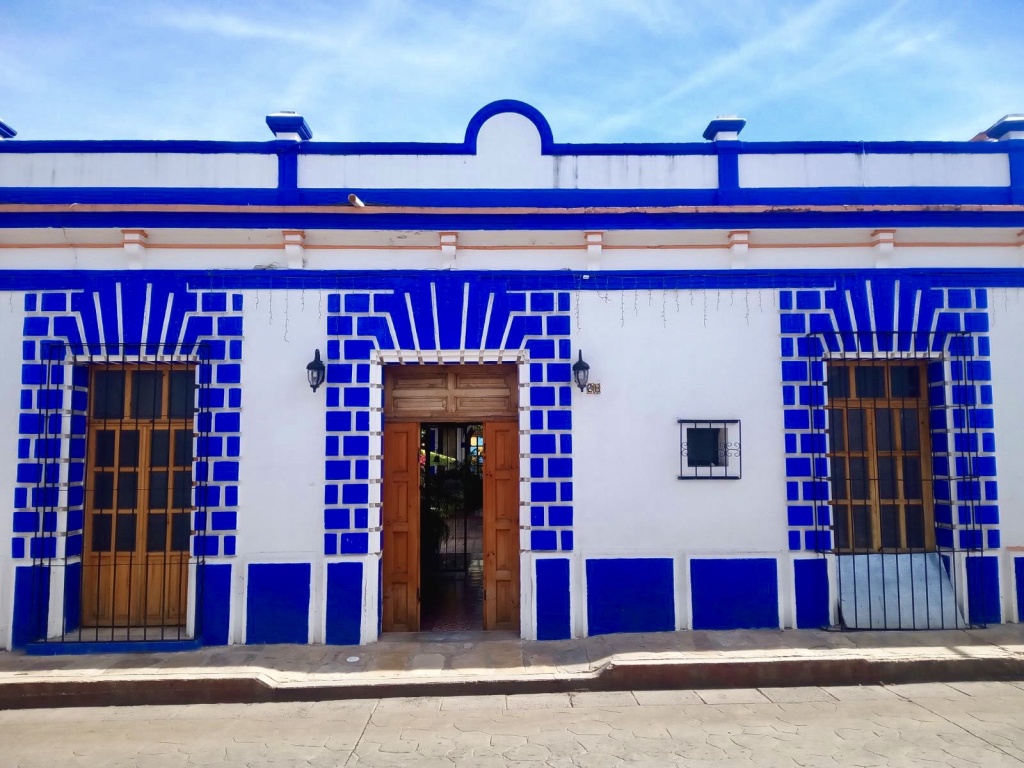
San Cristóbal de las Casas is one of those places that immediately feels different. Sitting at over 2,000 metres above sea level in the Chiapas highlands, it has a completely different atmosphere from the hot lowlands of the Yucatán. The town is filled with colourful colonial buildings, cobbled streets, historic churches and a strong indigenous influence that gives it a unique character.
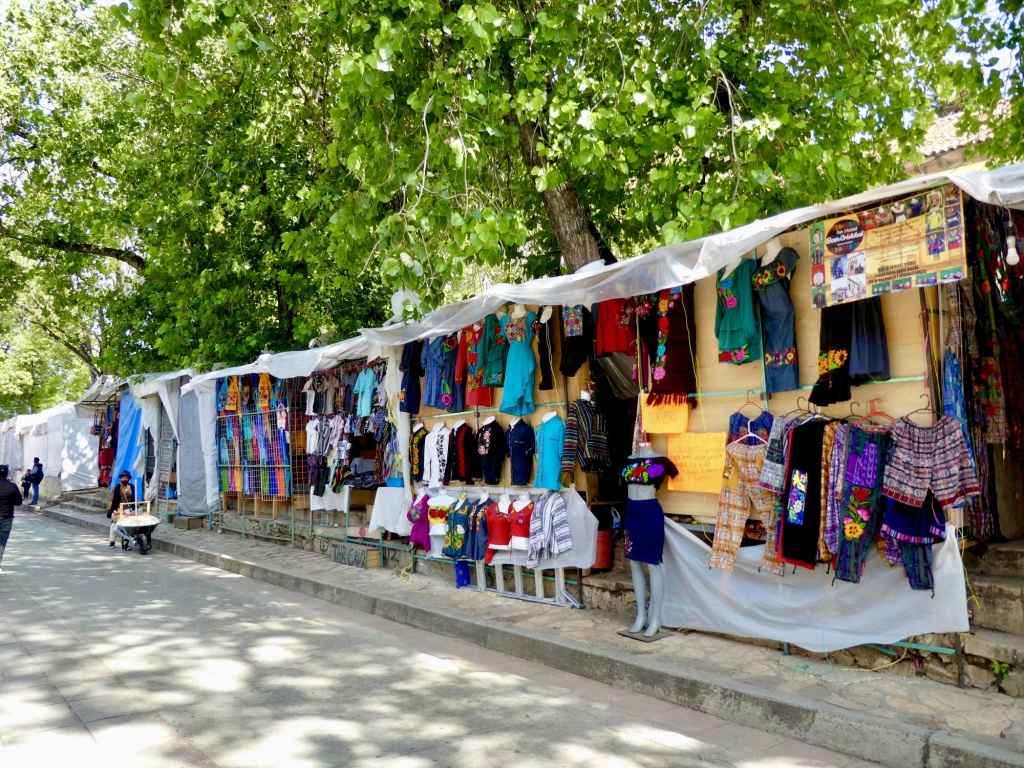
It is the kind of place where wandering aimlessly is often the best plan. Around every corner there is another beautiful building, a small café, a market stall or a street scene that makes you stop and look.
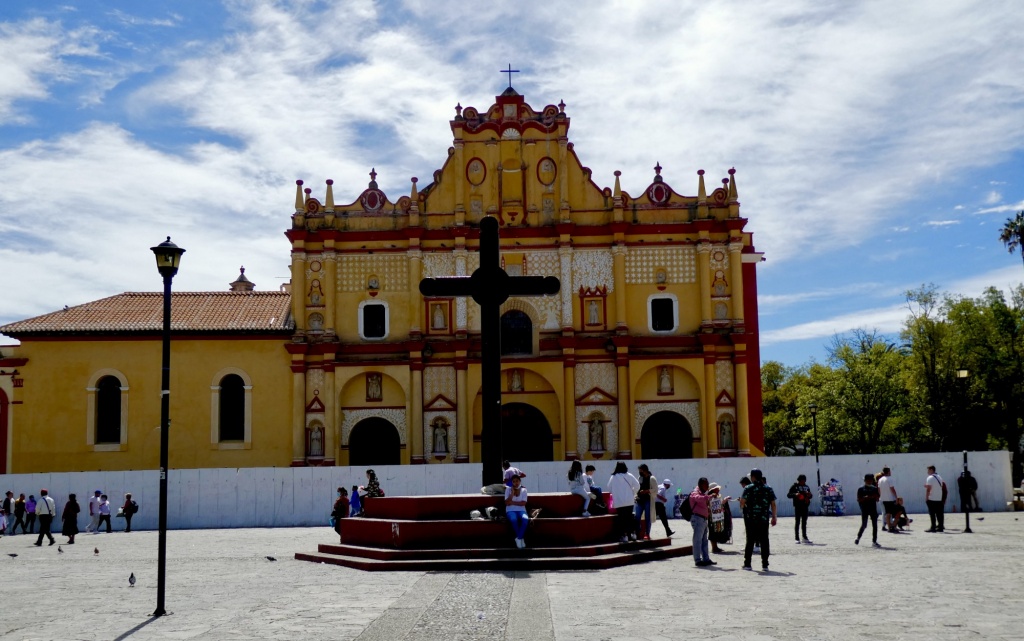
We spent our days exploring the town, wandering through the markets, buying fresh produce and sampling the endless supply of delicious snacks. We visited the main sights including the striking yellow , the colourful streets around the historic centre, the bustling local markets and the beautiful .
But, as always, one of the highlights of staying somewhere for a month was discovering the food.
And San Cristóbal delivered.
We found excellent Indian food, delicious Lebanese dishes, surprisingly good Vietnamese cuisine and, most importantly, fantastic coffee. It was becoming a recurring theme of our travels — somehow we always managed to find the good coffee.
Each evening we would retreat back to our little shack on the roof, sit and watch the sunset spread across the rooftops of San Cristóbal and reflect on how lucky we were to be living this slightly unconventional travel life.
There was, however, one small caveat.
We had started hearing more about gang activity in and around the region. Nothing had happened to us, and during the day the town felt welcoming and lively, but it was enough of a reminder that travel always comes with a responsibility to pay attention.
So we decided to err on the side of caution. Our exploring was mostly done during daylight hours, and rather than wandering around late at night, we were quite happy having long lunches, discovering cafés and cooking dinner back at home.
To be honest, that suited us perfectly.
All in all, I really liked San Cristóbal.
It was beautiful, full of character, blessed with excellent food and coffee, and the people were friendly. Our rooftop apartment was one of those places that becomes part of the travel memory — not because it was perfect, but because it was unique.
But it did have an edge.
A slight feeling that, beneath the colourful streets and charming colonial buildings, there were realities of the region that you could not completely ignore.
And perhaps that is part of travelling. The places that stay with you are not always the easiest ones. Sometimes they are the places where you experience both the beauty and the complexity.
And then, just like that, our time in this southern Mexican mountain town came to an end.
Our bags were packed once again, and it was time to climb aboard another bus heading north.
A journey that turned out to be somewhat eventful…
But that, as they say, is a story for another day.