
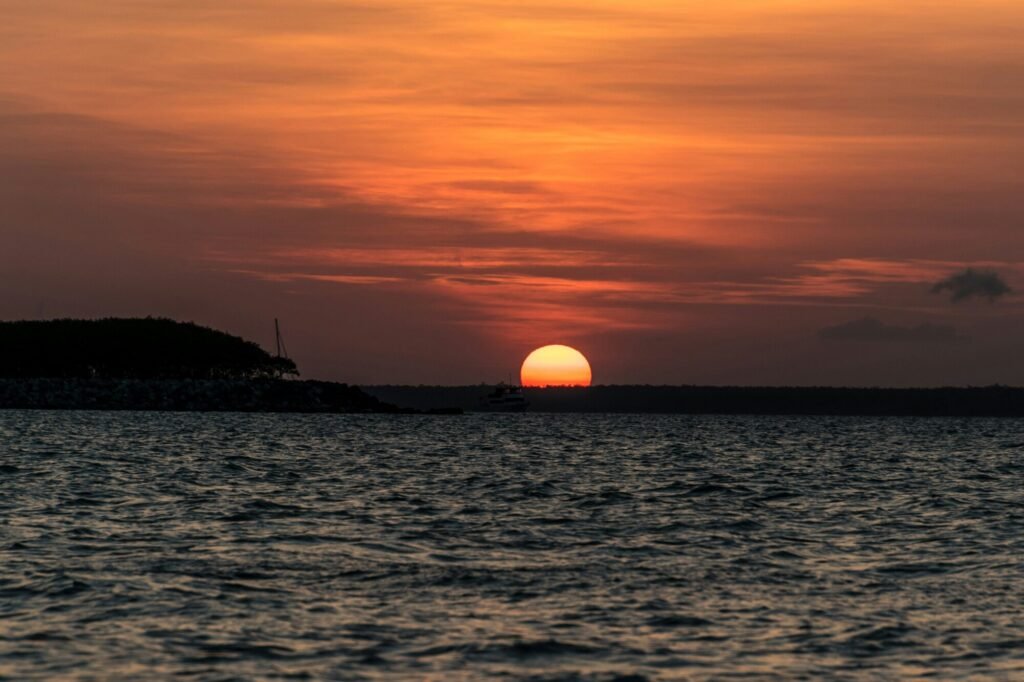
Northern Territory
Northern Territory: Darwin, Red Centre & Outback
The Northern Territory is one of Australia’s most iconic and dramatic destinations. Home to the world-famous Uluru, the ancient landscapes of the Red Centre, the vast wilderness of Kakadu National Park, and the tropical capital of Darwin, it offers a powerful mix of Indigenous culture, natural wonders, and outback adventure. Whether you’re watching the sunrise over Uluru, cruising through Kakadu’s wetlands, or exploring the rugged gorges of Kings Canyon, the Northern Territory delivers experiences that feel truly unique and unforgettable.
With its relatively small population and enormous land area, the Northern Territory feels like a true frontier. It is deeply connected to Aboriginal culture, with many of its most famous sites holding profound spiritual significance. From the tropical Top End to the arid Red Centre, the territory offers incredible diversity — pristine waterfalls, ancient rock art, world-class national parks, and warm, welcoming communities. It is a destination that rewards those who take the time to slow down and connect with the land and its people.
History & Overview of the Northern Territory
The Northern Territory has one of the longest continuous human histories in the world, with Aboriginal people living on the land for over 65,000 years. European exploration began in the 19th century, with the establishment of Darwin (originally Palmerston) in 1869. The territory was initially part of South Australia before becoming a separate federal territory in 1911.
Today, the Northern Territory is home to around 250,000 people, with a significant Aboriginal population. It is famous for its vast national parks, rich Indigenous culture, and dramatic landscapes that range from tropical wetlands in the Top End to the iconic red desert of the Red Centre. Tourism plays a major role in the economy, with visitors drawn to Uluru, Kakadu, and the unique outback experience.
Cost Breakdown: Visiting the Northern Territory (2026 Estimates)
Daily budget per person (excluding flights):
- Budget: AUD $160–250
- Mid-Range: AUD $280–420
- Luxury: AUD $550+
Sample Costs:
- Uluru sunrise/sunset tour: AUD $80–150
- Kakadu National Park guided tour: AUD $180–320
- Hotel in Darwin CBD: AUD $180–350/night
- Hotel near Uluru (Yulara): AUD $250–450/night
- Kings Canyon rim walk guided tour: AUD $150–250
- Domestic flight Darwin–Alice Springs return: AUD $200–400
- Entry to Kakadu or Uluru-Kata Tjuta National Park: AUD $40–50 (valid for multiple days)
Top 10 Must-Experience Highlights in the Northern Territory
1. Darwin
Darwin is Australia’s most tropical capital and the gateway to the Top End. With its relaxed outdoor lifestyle, strong Asian influences, beautiful harbour, and proximity to world-class national parks, it offers a unique blend of city convenience and tropical adventure.
History: Founded in 1869, Darwin has a rich multicultural history and was heavily bombed during World War II. It was rebuilt after Cyclone Tracy devastated the city in 1974.
When to Visit: Dry season (May–October) is ideal. The wet season brings dramatic storms but can be very humid.
Top Tips:
- Visit the Mindil Beach Sunset Markets (Thursday and Sunday evenings in dry season)
- Explore the Darwin Waterfront Precinct and Wave Lagoon
- Visit the Museum and Art Gallery of the Northern Territory
- Take a harbour cruise or fishing charter
- Use Darwin as a base for day trips to Litchfield or Kakadu
2. Kakadu National Park
Kakadu is one of Australia’s largest and most famous national parks and a UNESCO World Heritage site. It features dramatic escarpments, wetlands teeming with wildlife, ancient rock art, and some of the best Aboriginal cultural experiences in the country.
History: Home to the Bininj/Mungguy people for over 65,000 years. The park was established in 1979 and is jointly managed with traditional owners.
When to Visit: Dry season (May–October) offers the best access and wildlife viewing. The wet season brings lush landscapes but limits road access.
Top Tips:
- Visit Ubirr and Nourlangie for world-famous rock art galleries
- Take a Yellow Water or Mamukala wetland cruise to see wildlife
- Hike to Gunlom Falls or Jim Jim Falls (seasonal access)
- Stay at Cooinda Lodge or Kakadu Resort for convenient access
- Book a cultural tour with Indigenous guides for deeper insights
3. Uluru (Ayers Rock)
Uluru is Australia’s most iconic natural landmark and one of the world’s most recognisable sites. This massive sandstone monolith holds deep spiritual significance for the Anangu people and offers a powerful, almost spiritual experience at sunrise and sunset.
History: Uluru has been a sacred site for the Anangu people for tens of thousands of years. Climbing the rock was permanently closed in 2019 out of respect for its cultural importance.
When to Visit: Year-round. Dry season (May–September) offers the most comfortable temperatures.
Top Tips:
- Watch the sunrise or sunset from the viewing areas (highly recommended)
- Take the free Uluru Base Walk (10.6 km loop, allow 3–4 hours)
- Visit the Uluru-Kata Tjuta Cultural Centre to learn about Anangu culture
- Book a guided cultural tour with Anangu guides
- Stay at Ayers Rock Resort (Yulara) for the best access
4. Kata Tjuta (The Olgas)
Kata Tjuta is a group of large domed rock formations located about 40 km from Uluru. Often considered even more spectacular than Uluru by many visitors, it offers excellent hiking opportunities and dramatic landscapes within the same national park.
History: Like Uluru, Kata Tjuta holds deep spiritual significance for the Anangu people and is part of the same UNESCO World Heritage site.
When to Visit: Same as Uluru — dry season (May–September) is most comfortable.
Top Tips:
- Hike the Valley of the Winds walk (moderate, 7.4 km loop)
- Walk to the lookout at the end of Walpa Gorge (easier option)
- Watch the sunset from the Kata Tjuta viewing area
- Combine with Uluru in the same day or stay nearby
- Learn about the cultural stories at the Cultural Centre
5. Kings Canyon (Watarrka National Park)
Kings Canyon is one of the most spectacular natural features in the Red Centre. Its sheer red cliffs, deep gorge, and ancient palm-filled valley offer some of the best hiking and views in Central Australia.
History: The area has been home to the Luritja and Arrernte people for thousands of years. It became a national park in 1983.
When to Visit: Dry season (May–September). Avoid the extreme heat of summer.
Top Tips:
- Hike the Kings Canyon Rim Walk (6 km loop, moderate to challenging)
- Visit the beautiful Garden of Eden oasis in the canyon
- Stay at Kings Canyon Resort for the best access
- Consider the easier Kings Creek Walk if the rim walk is too difficult
- Combine with Uluru and Kata Tjuta for a classic Red Centre itinerary
6. Alice Springs
Alice Springs (often called “The Alice”) is the main town in the Red Centre and serves as a gateway to Uluru, Kings Canyon, and the MacDonnell Ranges. It has a strong outback character and rich Indigenous culture.
History: Established in the 1870s during the construction of the Overland Telegraph Line. It grew significantly during World War II and remains the largest town in Central Australia.
When to Visit: Dry season (May–September) for comfortable temperatures.
Top Tips:
- Visit the Alice Springs Desert Park for excellent wildlife displays
- Explore the historic Telegraph Station and Anzac Hill for views
- Visit the Araluen Arts Centre and local galleries
- Take a guided tour to learn about Arrernte culture
- Use Alice Springs as a base for day trips to the MacDonnell Ranges
7. Litchfield National Park
Litchfield National Park is a popular and accessible park near Darwin, famous for its beautiful waterfalls, swimming holes, and termite mounds. It offers a more relaxed alternative to Kakadu with excellent day-trip options.
History: The area has long been significant to the Wagait people. The park was established in 1991.
When to Visit: Dry season (May–October) for best swimming conditions and road access.
Top Tips:
- Swim at Florence Falls, Wangi Falls, or Buley Rockhole
- Visit the famous magnetic termite mounds
- Hike to Tolmer Falls (restricted access in wet season)
- Take a guided tour from Darwin if you don’t have a car
- Allow a full day to explore the park comfortably
8. Nitmiluk National Park (Katherine Gorge)
Nitmiluk National Park is famous for its stunning Katherine Gorge, where towering sandstone cliffs rise dramatically from the Katherine River. It offers excellent boating, hiking, and cultural experiences.
History: Home to the Jawoyn people for thousands of years. The park is jointly managed with traditional owners.
When to Visit: Dry season (May–October) for best river levels and access.
Top Tips:
- Take a boat cruise through the gorges (various lengths available)
- Hike to the top of the gorge for spectacular views
- Visit the Nitmiluk Visitor Centre for cultural information
- Stay at Nitmiluk Gorge or in nearby Katherine
- Combine with a visit to Cutta Cutta Caves if time allows
9. Tiwi Islands
The Tiwi Islands (Bathurst and Melville Islands) are home to the Tiwi people and offer a unique cultural experience just a short flight from Darwin. Known for their distinctive art, strong traditions, and beautiful landscapes.
History: The Tiwi people have lived on the islands for thousands of years with a distinct culture and language. The islands were relatively isolated until recent decades.
When to Visit: Dry season (May–October) is most comfortable.
Top Tips:
- Take a guided day tour from Darwin (highly recommended)
- Visit the Tiwi Art Centres to see and buy local art
- Learn about Tiwi culture, including pukamani poles and ceremonies
- Visit the beautiful beaches and wetlands
- Respect local customs and follow your guide’s instructions
10. MacDonnell Ranges
The MacDonnell Ranges offer some of the most beautiful and accessible outback scenery near Alice Springs. With dramatic gorges, permanent waterholes, and ancient landscapes, they provide excellent hiking and scenic drives.
History: The ranges have been home to the Arrernte people for thousands of years and contain many important cultural sites.
When to Visit: Dry season (May–September) for comfortable temperatures.
Top Tips:
- Visit Simpsons Gap and Standley Chasm for beautiful walks
- Hike to the top of Mount Gillen or explore Ormiston Gorge
- Swim in the permanent waterholes (where permitted)
- Take a scenic drive along Namatjira Drive
- Stay in Alice Springs and do day trips into the ranges
Disclaimer: This guide is for general reference only. Prices, opening hours, and conditions can change. Always verify current information on official websites before travelling. Information is current as of 2026.