
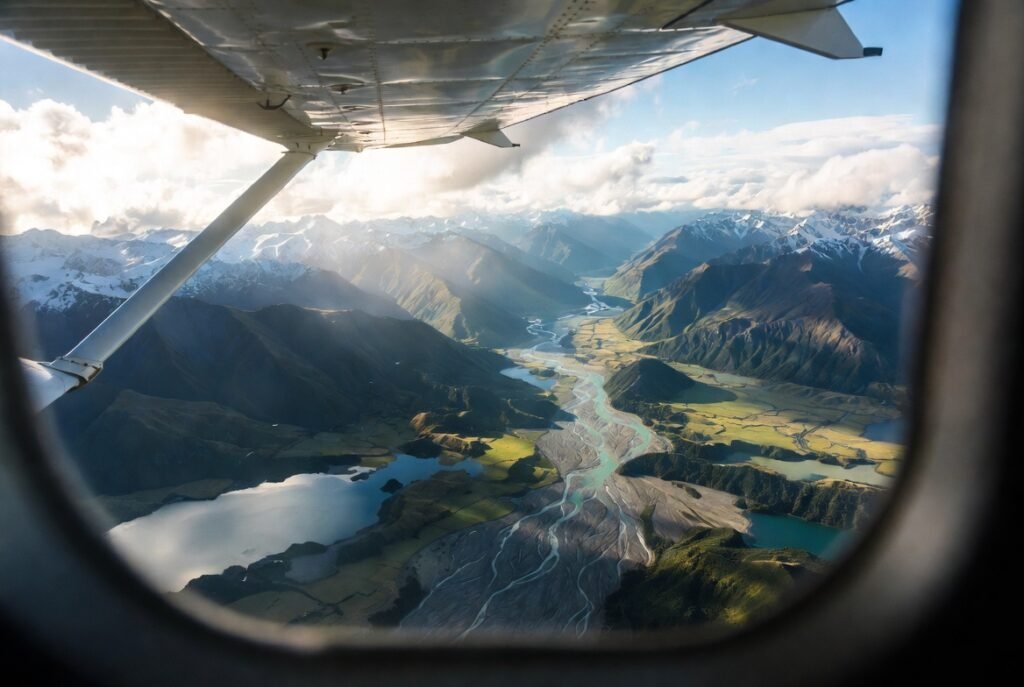
How to Travel to New Zealand
How to Travel to New Zealand: Complete Practical Guide 2026
New Zealand is one of the most rewarding travel destinations on the planet, offering dramatic landscapes, world-class hiking, incredible wildlife, and a relaxed “Kiwi” way of life. Whether you dream of standing beneath the towering peaks of Aoraki / Mount Cook, kayaking the turquoise waters of Abel Tasman National Park, or sipping wine on the beautiful island of Waiheke, careful planning will help you make the most of your trip.
This comprehensive 2026 guide walks you through every step of planning and travelling to New Zealand — from visas and flights to getting around both islands, choosing the right accommodation, managing your budget, and creating unforgettable itineraries. New Zealand rewards travellers who prepare well, respect the environment, and embrace the spirit of adventure.
With direct international flights, excellent domestic transport options, and a wide range of experiences for every budget and travel style, New Zealand is more accessible than ever. This guide gives you all the practical information you need for a smooth, safe, and memorable journey in 2026.
Step-by-Step Guide: How to Travel to New Zealand
1. Visas, Entry Requirements & Immigration
Most visitors from Europe, North America, Australia, and many Asian countries can enter New Zealand visa-free for up to 90 days under the Visa Waiver Program. You must have a valid passport, onward travel ticket, and sufficient funds. New Zealand introduced an Electronic Travel Authority (ETA) requirement for many nationalities in 2019, which is still in place.
Since 2024, a new visitor visa and updated border processes have been implemented. Always check the official Immigration New Zealand website (immigration.govt.nz) for the latest requirements based on your nationality. COVID-related entry rules have been lifted, but health declarations may still apply in certain situations.
2. Flights, Airports & Arrival
The main international gateways are Auckland (AKL), Christchurch (CHC), and Wellington (WLG). Auckland receives the most international flights, while Christchurch is ideal for South Island adventures. Direct flights operate from major hubs in Australia, Asia, North America, and the Middle East.
Upon arrival you will go through immigration, biosecurity checks (very strict — declare all food, plants, and animal products), and baggage claim. Domestic flights between islands are frequent and affordable with Air New Zealand, Jetstar, and smaller regional carriers.
3. Getting Around: Cars, Buses, Trains & Ferries
Self-driving is the most popular and flexible way to explore New Zealand. Rental cars are widely available at airports. Roads are generally good but can be narrow and winding, especially in rural and mountainous areas. Driving is on the left.
Excellent alternatives include InterCity and Mana Bus for long-distance travel, the scenic TranzAlpine and Coastal Pacific train journeys, and the Interislander or Bluebridge ferries between Wellington and Picton. Domestic flights are fast for covering long distances.
4. Accommodation Options Across New Zealand
New Zealand offers everything from luxury lodges and boutique hotels to holiday parks, hostels, and unique stays like glamping or farm stays. Major cities have a wide range, while national parks feature DOC huts and campsites. Booking platforms like Booking.com, Airbnb, and direct hotel websites are reliable.
Popular choices include waterfront hotels in Queenstown, vineyard stays on Waiheke Island, and eco-lodges near Abel Tasman or Aoraki / Mount Cook. Holiday parks are excellent value for families and offer powered sites for campervans.
5. Budgeting & Daily Costs in 2026
New Zealand is a mid-to-high range destination. Daily budgets vary significantly depending on travel style. A backpacker can manage on NZ$80–120 per day, while a mid-range traveller should budget NZ$180–280 per day. Luxury experiences can easily exceed NZ$400+ per day.
Major expenses include accommodation, rental cars or campervans, activities (especially guided tours and flights), and food. Petrol, domestic flights, and national park entry (most are free) are relatively affordable. Many attractions offer discounts with the New Zealand Travel Pass or similar cards.
6. What to Pack for New Zealand
New Zealand weather is famously changeable, so layering is essential. Pack waterproof jacket and pants, warm fleece or down jacket, sturdy hiking boots, quick-dry clothing, sun hat, and sunscreen. A daypack, reusable water bottle, and power bank are very useful.
For specific adventures: bring a swimsuit for Abel Tasman and hot pools, warm layers and gloves for Aoraki / Mount Cook, and smart-casual clothes for Waiheke wineries. Insect repellent for sandflies and a small first-aid kit are highly recommended.
7. Best Time to Visit & Seasonal Considerations
New Zealand has four distinct seasons. Summer (Dec–Feb) offers long days and warm weather but is peak tourist season with higher prices and crowds. Shoulder seasons (Mar–May & Sep–Nov) are excellent for fewer crowds and pleasant weather.
Winter (Jun–Aug) is ideal for snow sports in Queenstown and the Southern Alps, and for seeing the Southern Lights. Many Great Walks are closed in winter due to snow and avalanche risk. Always check track status on the Department of Conservation website.
8. Top Destinations & Sample Itineraries
New Zealand’s highlights include the dramatic Southern Alps and Aoraki / Mount Cook, the stunning coastal scenery of Abel Tasman National Park, the wine and beach paradise of Waiheke Island, geothermal wonders in Rotorua, and adventure capital Queenstown.
Popular Itineraries: 10–14 days North Island (Auckland → Rotorua → Wellington → ferry to Picton), or classic South Island loop (Christchurch → Aoraki → Queenstown → Milford Sound → Abel Tasman). Many visitors combine both islands.
9. Food, Wine & Cultural Experiences
New Zealand cuisine emphasises fresh, local produce — think green-lipped mussels, crayfish, lamb, and world-class wines from Marlborough, Central Otago, and Waiheke Island. Māori cultural experiences (hangi feasts, cultural performances) are available throughout the country, especially in Rotorua.
Farmers’ markets, craft breweries, and high-end restaurants in cities offer excellent dining. Wine tours on Waiheke Island and food tours in Auckland and Queenstown are highly recommended.
Final Tips for a Smooth New Zealand Trip
Book Early: Popular activities, Great Walks, and ferry crossings fill up quickly, especially from December to February.
Stay Flexible: Weather can change plans — build buffer days into your itinerary, especially for outdoor adventures in Aoraki or Abel Tasman.
Respect Nature: Follow the “Leave No Trace” principles. New Zealand’s environment is fragile and strictly protected.
Stay Connected: Buy a local SIM card or eSIM on arrival for reliable data. Many remote areas have limited coverage, so download offline maps.
Travel Insurance: Strongly recommended — choose a policy that covers adventure activities, medical evacuation, and trip cancellation.
Disclaimer: Travel information can change. Always verify current visa requirements, flight schedules, track conditions, and entry rules on official New Zealand government websites (immigration.govt.nz, tourismnewzealand.com, doc.govt.nz) before your trip. This guide is for general information and planning purposes only.