
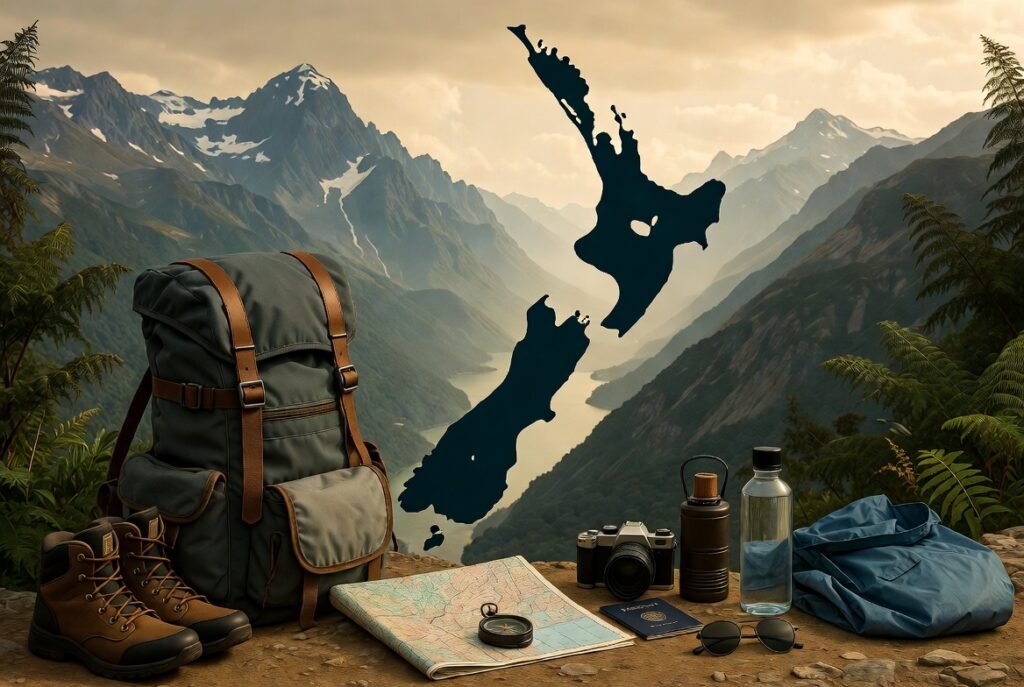
What to Pack for New Zealand
What to Pack for New Zealand: Complete Packing Guide 2026
New Zealand’s weather is famously unpredictable and can change dramatically within a single day — even in summer. From snow on the Southern Alps and heavy rain on the West Coast to warm sunny days on Waiheke Island or Abel Tasman, packing correctly is essential for comfort and safety. This detailed 2026 packing guide covers everything you need for all seasons and every type of trip.
Whether you are planning a city break in Auckland or Wellington, a multi-day hike in Abel Tasman or Aoraki / Mount Cook National Park, a self-drive road trip around the South Island, or a relaxed wine and beach holiday on Waiheke Island, this guide gives you a complete, practical packing list tailored to New Zealand conditions.
The key to packing for New Zealand is the layering system. Bring versatile, high-quality items that can be mixed and matched rather than lots of single-use clothing. Quality over quantity will keep your bag lighter and your trip more enjoyable.
Complete Packing Guide by Category & Trip Type
1. Core Clothing & Layering System (Essential for All Trips)
New Zealand requires a strong layering system because temperatures can swing 10–15°C in a single day. Build your wardrobe around a base layer (merino wool or synthetic), mid-layer (fleece or lightweight down), and outer shell (waterproof/breathable jacket).
Recommended Items:
- 3–4 merino wool or synthetic base layer tops (long & short sleeve)
- 2–3 pairs of merino base layer leggings
- 2 fleece mid-layers or lightweight insulated jackets
- 1 high-quality waterproof/breathable rain jacket (Gore-Tex or equivalent)
- 1 pair of waterproof over-trousers
- Quick-dry hiking trousers and shorts
- 2–3 casual tops and 1–2 pairs of jeans or chinos for cities
2. Footwear for Hiking, Cities & Driving
Good footwear is critical in New Zealand. You will likely walk on muddy tracks, city streets, and possibly wet ferry decks. Bring supportive, broken-in shoes rather than brand new ones.
Essential Footwear:
- Waterproof hiking boots (ankle support recommended for Aoraki and alpine areas)
- Lightweight hiking shoes or trail runners for Abel Tasman and coastal walks
- Comfortable walking shoes or sneakers for cities (Auckland, Wellington, Queenstown)
- Flip-flops or sandals for beaches and showers (especially Waiheke and Abel Tasman)
- Water shoes or reef shoes if kayaking or walking on coral/rocky shores
3. Weather Protection (Rain, Wind, Sun & Cold)
New Zealand weather changes fast. Rain can appear suddenly even on sunny days, especially in the mountains and on the West Coast. Strong winds are common on exposed ridges and coastal areas.
Must-Have Items:
- High-quality waterproof rain jacket + over-trousers
- Wide-brim sun hat and cap
- High-SPF sunscreen (reef-safe for coastal areas)
- Sunglasses with UV protection
- Warm beanie and gloves (even in summer for alpine areas like Aoraki)
- Buff or neck gaiter for wind protection
- Lightweight down or synthetic insulated jacket
4. Hiking & Outdoor Adventure Packing (Abel Tasman, Aoraki, Great Walks)
If your trip includes hiking in Abel Tasman, Aoraki / Mount Cook, Milford Track, or other national parks, you need specific gear for safety and comfort on multi-day or day hikes.
Key Items:
- Daypack (25–35L) with rain cover
- Head torch with spare batteries
- Waterproof dry bags for electronics and clothing
- Personal Locator Beacon (PLB) or satellite communicator (Garmin inReach)
- Map and compass (or offline maps on phone)
- Quick-dry towel and lightweight sleeping bag liner (for huts)
- Walking poles (highly recommended for steep tracks)
- First-aid kit with blister treatment
5. City Breaks & Urban Travel (Auckland, Wellington, Queenstown)
City stays require a mix of smart-casual and comfortable clothing. You will walk a lot and may encounter rain or wind even in summer.
Recommended Items:
- Smart-casual shirts, blouses, and trousers for restaurants and wineries
- Light jacket or blazer for evenings
- Comfortable walking shoes (already broken in)
- Crossbody bag or small daypack for daily exploration
- One nicer outfit for special dinners (especially on Waiheke Island)
- Umbrella (compact travel size)
6. Road Trip & Self-Drive Packing
Self-drive trips around the South Island or between islands require items for long days in the car and changing conditions.
Essential Road Trip Items:
- Comfortable driving clothes and layers
- Sunglasses and phone mount for navigation
- Snacks, water bottles, and cooler bag
- Car rubbish bag and wet wipes
- Emergency kit (jumper cables, torch, first aid, blanket)
- Offline maps (Google Maps or Maps.me downloaded)
- Small pillow or neck support for long drives
7. Beach & Coastal Trips (Abel Tasman, Waiheke Island, Coromandel)
Coastal areas like Abel Tasman and Waiheke offer beautiful beaches, but water can be cold and weather changeable.
Coastal Essentials:
- Quick-dry swimwear and rash guard
- Lightweight long-sleeve shirt for sun protection
- Reef shoes or water shoes
- Beach towel or quick-dry towel
- Snorkel and mask (optional but useful in Abel Tasman)
- Light rain jacket (coastal rain is common)
- Insect repellent (sandflies can be bad near beaches)
8. Alpine & Mountain Packing (Aoraki / Mount Cook & Southern Alps)
Alpine areas demand serious preparation. Temperatures can drop below freezing even in summer, and weather can deteriorate rapidly.
Alpine-Specific Items:
- Warm base layers + mid-layer fleece + insulated jacket
- Waterproof trousers and gaiters
- Warm beanie, gloves, and buff
- High-quality waterproof hiking boots
- Head torch and spare batteries
- Emergency bivvy or lightweight shelter
- Personal Locator Beacon (strongly recommended)
- Sunscreen and lip balm (high UV at altitude)
9. Health, Documents, Tech & Miscellaneous
Practical items that make travel smoother and safer across all trip types.
Essential Documents & Health:
- Passport + photocopies (digital + printed)
- Travel insurance documents and policy number
- ETA or visa approval
- Comprehensive first-aid kit (including blister plasters, pain relief, antihistamines)
- Any prescription medications + extras
- Insect repellent and after-bite cream (sandflies)
- Reusable water bottle and water purification tablets
- Power bank and universal travel adapter
- Headphones and offline entertainment
Seasonal Packing Adjustments
Summer (Dec–Feb): Focus on sun protection, quick-dry clothing, and lighter layers. Still bring a rain jacket and warm fleece for evenings and mountains.
Autumn (Mar–May) & Spring (Sep–Nov): Best balance — pack full layering system. Expect rain and wind. Add a warmer jacket.
Winter (Jun–Aug): Heavy emphasis on warmth: thermal base layers, insulated jacket, beanie, gloves, waterproof trousers, and warmer sleeping bag if camping or hut stays. Snow gear if skiing.
Disclaimer: Packing needs vary depending on your exact itinerary, activities, and personal preferences. Always check current weather forecasts and track conditions before departure. This guide is for general reference and planning purposes only.