
Mexico
Best Ancient Ruins To Visit In Mexico
Mexico is home to some of the most impressive and mysterious ancient civilizations in the Americas. From towering Maya pyramids in the jungle to massive Toltec and Aztec structures, these archaeological sites offer profound insights into advanced engineering, astronomy, art, and spirituality. Here are the very best ancient ruins to visit in Mexico, each with its own unique story and atmosphere.
12 Best Ancient Ruins To Visit In Mexico
1. Chichén Itzá – Iconic Wonder of the Maya World
One of the New Seven Wonders of the World, Chichén Itzá is Mexico’s most visited archaeological site. This powerful Maya city thrived between 600–1200 AD and showcases a remarkable blend of Maya and Toltec influences.
The centerpiece is El Castillo (Temple of Kukulcán), a precisely aligned pyramid where shadows form a descending serpent during equinoxes. Other highlights include the massive Great Ball Court, the Temple of the Warriors, and the Sacred Cenote where offerings were made to the gods.
Highlights: El Castillo pyramid, Great Ball Court, Temple of the Warriors, equinox serpent effect, Sacred Cenote.
2. Teotihuacán – City of the Gods
Located just outside Mexico City, Teotihuacán was one of the largest cities in the ancient world at its peak around 100–550 AD. Its builders remain unknown, adding to its mystery.
The Avenue of the Dead connects the massive Pyramid of the Sun (third-largest in the world) and the Pyramid of the Moon. The site features intricate murals, the Temple of the Feathered Serpent (Quetzalcoatl), and stunning views from the top of the pyramids.
Highlights: Pyramid of the Sun, Pyramid of the Moon, Temple of Quetzalcoatl, Avenue of the Dead, hot air balloon rides.
3. Palenque – Jungle Jewel of the Maya
Nestled in the dense Chiapas rainforest, Palenque is celebrated for its exquisite Maya architecture, detailed carvings, and serene jungle setting. It reached its peak in the 7th century under Lord Pakal.
The Temple of the Inscriptions contains Pakal’s tomb, one of the most important royal burials discovered in the Americas. Stunning stucco reliefs and the palace complex make Palenque a highlight for serious Maya enthusiasts.
Highlights: Temple of the Inscriptions, Palace complex, Temple of the Cross, jungle atmosphere, Pakal’s tomb.
4. Monte Albán – Zapotec Hilltop Capital
Built on a leveled mountain ridge overlooking the Oaxaca Valley, Monte Albán was the capital of the Zapotec civilization for over 1,500 years. It features one of the earliest writing systems in Mesoamerica.
The vast Main Plaza is surrounded by platforms, ball courts, and elite tombs. The site offers sweeping 360-degree views and a profound sense of ancient power and astronomy.
Highlights: Main Plaza, Building J (observatory), Danzantes carvings, panoramic valley views.
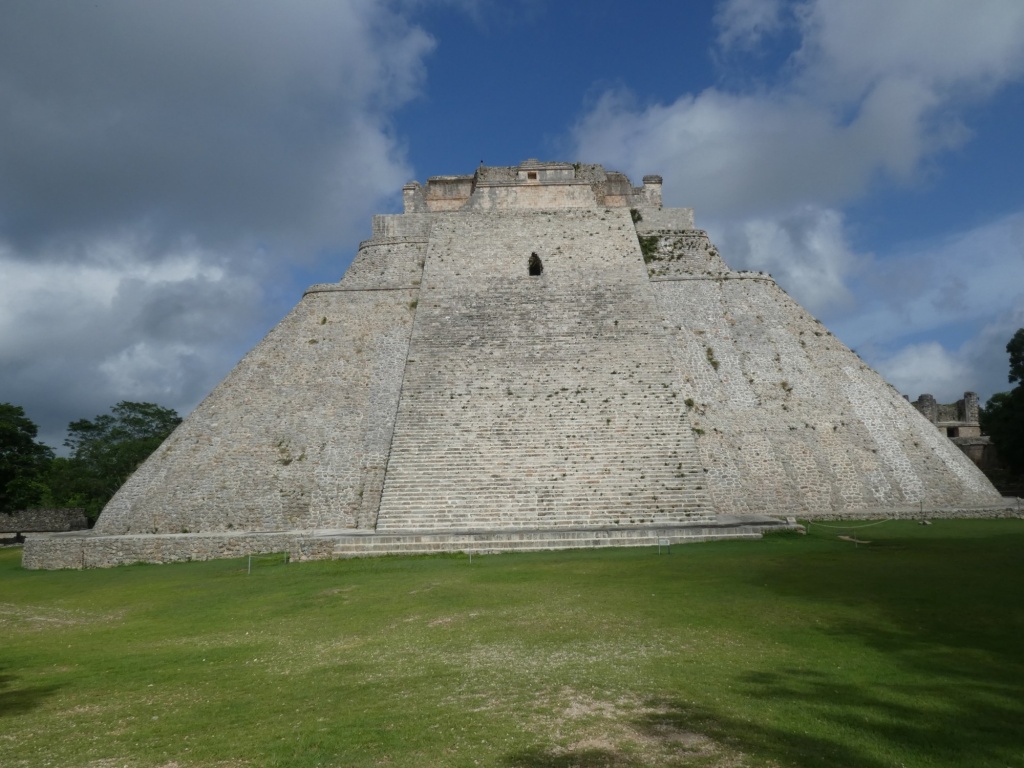
5. Uxmal – Masterpiece of Puuc Architecture
Uxmal represents the pinnacle of Puuc-style Maya architecture with incredibly detailed stone mosaics of rain gods, serpents, and geometric patterns.
The Pyramid of the Magician is unique for its rounded corners and oval shape. The Governor’s Palace and Nunnery Quadrangle feature some of the finest façade decorations in the Maya world.
Highlights: Pyramid of the Magician, Governor’s Palace, sound-and-light show, intricate mosaics.
6. Tulum – Cliffside Maya Fortress
Perched dramatically on cliffs above the turquoise Caribbean Sea, Tulum is one of the most scenic Maya sites. It was an important trading port during the Late Postclassic period.
The Temple of the Frescoes and El Castillo overlook pristine beaches. Visitors can swim in the sea right below the ruins, making it uniquely photogenic.
Highlights: Cliffside location, El Castillo, beach below ruins, Temple of the Frescoes.
7. Cobá – Vast Maya City in the Jungle
Cobá was once one of the largest Maya cities with a network of raised stone roads (sacbeob) connecting distant plazas. It features the tallest pyramid in the northern Yucatán.
Climb Nohoch Mul (42 meters) for incredible jungle views. The site is still being excavated and feels more adventurous and wild than better-known ruins.
Highlights: Nohoch Mul pyramid, ancient roadways, jungle setting, bike rentals.
8. Calakmul – Deep Jungle Biosphere Powerhouse
Hidden deep within the Calakmul Biosphere Reserve, this massive Maya city was a major rival to Tikal. Its pyramids rise above the dense rainforest canopy.
Structure II is one of the largest Maya pyramids. The site is famous for its rich wildlife, including howler monkeys, jaguars, and hundreds of bird species.
Highlights: Structure II pyramid, jungle immersion, wildlife, remote feeling.
9. Mitla – City of the Dead
Mitla is renowned for its unique geometric stone mosaics that cover entire walls, representing one of the finest examples of Zapotec stonework.
Unlike other sites, many structures here were used into the colonial period. The Hall of the Columns and intricate fretwork patterns are exceptionally well preserved.
Highlights: Geometric mosaics, Hall of Columns, cruciform tombs, continued use into colonial times.
10. El Tajín – Capital of the Classic Veracruz Culture
El Tajín is famous for its Pyramid of the Niches, which features 365 recesses possibly representing the solar year. The site shows strong influence from the Gulf Coast cultures.
With 17 ball courts and intricate relief carvings depicting rituals, El Tajín offers a different artistic style from the Maya or Zapotec sites.
Highlights: Pyramid of the Niches, ball courts, detailed carvings, unique architectural style.
11. Yaxchilán & Bonampak – Remote Maya Masterpieces
These sister sites deep in the Lacandon Jungle are accessible only by boat. Yaxchilán features stunning lintels and hieroglyphs along the Usumacinta River, while Bonampak is famous for its vivid, well-preserved murals depicting warfare and rituals.
The journey through the jungle adds to the sense of discovery and adventure.
Highlights: River setting, intricate lintels, colorful murals, remote jungle experience.
12. Ek Balam – Hidden Yucatán Treasure
Ek Balam (“Black Jaguar”) features some of the best-preserved stucco façades in the Maya world. Its Acropolis is enormous and includes a dramatic jaguar mouth entrance.
Less crowded than nearby Chichén Itzá, it offers excellent climbing opportunities and beautiful jungle surroundings with cenotes nearby.
Highlights: Stucco Jaguar mouth, Acropolis, detailed friezes, nearby cenotes.
Mexico’s ancient ruins are living heritage sites — always follow guidelines, wear comfortable shoes, bring sun protection, and hire certified guides when possible for deeper historical context. Many sites require advance tickets during peak season.