
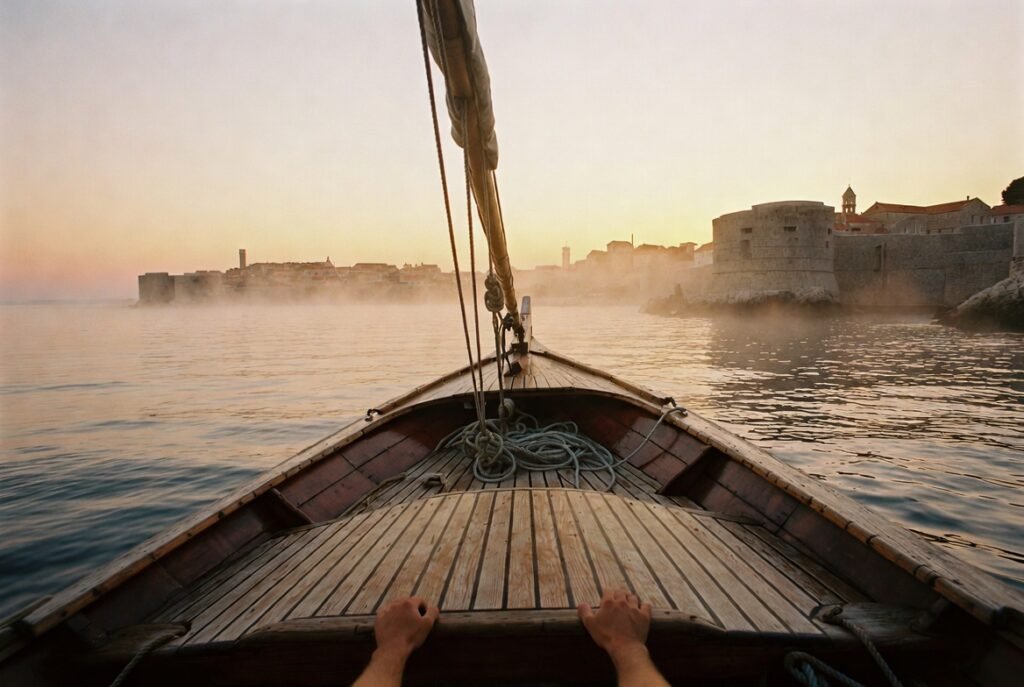
How To Travel To Croatia
How To Travel To Croatia: The Ultimate Guide 2026
Croatia continues to be one of Europe’s fastest-growing travel destinations with its dramatic Adriatic coastline, historic cities, stunning islands, and national parks. This practical guide covers everything you need for a smooth trip: transportation options (especially ferries), current visa/entry rules (including ETIAS), best seasons to visit, and essential tips.
Essential Steps for Traveling to Croatia
1. Choose Your Transportation
Croatia is well-connected by air, ferry, bus, and road.
By Air: Major hubs include Zagreb (ZAG), Split (SPU), Dubrovnik (DBV), and Zadar (ZAD). Low-cost carriers (Ryanair, easyJet, Eurowings) offer affordable flights within Europe.
By Ferry: Jadrolinija and TP Line operate the main coastal and island routes. High-speed catamarans are faster but more expensive.
By Bus/Train: Buses are reliable and cheap for mainland travel. Trains are limited but useful between Zagreb and major cities.
Top 5 Tips:
- Book ferries in advance during peak season (July–August)
- Use Rome2Rio or the Jadrolinija app for planning
- Domestic flights are fast and often cheaper than long ferries
- ALSA and FlixBus connect major cities efficiently
- Renting a car is best for Istria or inland exploration
2. Understand Visa & Entry Rules
Croatia is part of the Schengen Area. Rules depend on your nationality and stay length.
Visa-Free (90 days): Citizens of EU/EEA, USA, Canada, UK, Australia, New Zealand, Japan, South Korea, and many others.
Schengen Visa Required: For certain nationalities – apply at Croatian consulate or VFS Global.
ETIAS (from mid-2026): Mandatory online authorization for visa-exempt travelers (€7, valid 3 years).
Top 5 Requirements:
- Passport valid 3+ months beyond departure
- Proof of onward travel
- Evidence of accommodation
- Travel insurance recommended (min €30,000 coverage)
- Sufficient funds (€100/day if no prepaid accommodation)
3. Pick the Best Time to Visit
Croatia has a Mediterranean climate along the coast and continental inland.
Spring (Mar–May) & Fall (Sep–Nov): Ideal – mild temperatures, fewer crowds, lower prices, lavender in bloom on islands.
Summer (Jun–Aug): Hot, busy beaches and islands – highest prices and crowds.
Winter (Dec–Feb): Quiet coastal towns, ski season in inland mountains, Christmas markets in Zagreb.
Top 5 Seasonal Highlights:
- Spring: Lavender fields on Hvar, fewer crowds in Dubrovnik
- Summer: Island hopping, beach clubs on Hvar, music festivals
- Fall: Truffle season in Istria, pleasant swimming weather
- Winter: Christmas in Zagreb, skiing in Sljeme
- Shoulder months: Best hotel deals and pleasant weather
4. Plan Internal Transport
Croatia’s transport network is improving rapidly, especially ferries and buses.
Ferries: Jadrolinija and TP Line – essential for islands.
Buses: Reliable and cheap for mainland travel (FlixBus, Arriva).
Flights: Domestic flights between Zagreb, Split, Dubrovnik, and Zadar are fast and affordable.
Top 5 Options:
- Book ferries in advance for peak season
- Use Rome2Rio for route planning
- Domestic flights save time on long distances
- Rent a car for Istria or inland exploration
- Buses are the most budget-friendly option
5. Budget & Practical Essentials
Prepare for a smooth stay with these basics.
Currency: Euro (€). Cards widely accepted; notify bank of travel.
Language: Croatian is official; English common in tourist areas, especially on the coast.
Power: Type C/F plugs, 230V – bring adapter.
Top 5 Money-Saving Tips:
- Eat at local konobas and markets
- Use city tourist cards (Dubrovnik Card, Split Card)
- Travel in shoulder season (May/June or September)
- Book ferries and accommodation early
- Stay in apartments or guesthouses outside main tourist zones
Disclaimer: Entry requirements and travel conditions can change. Always check official sources (Croatian government websites, your embassy, and etias.com when live) before departure. Information current as of March 2026.