
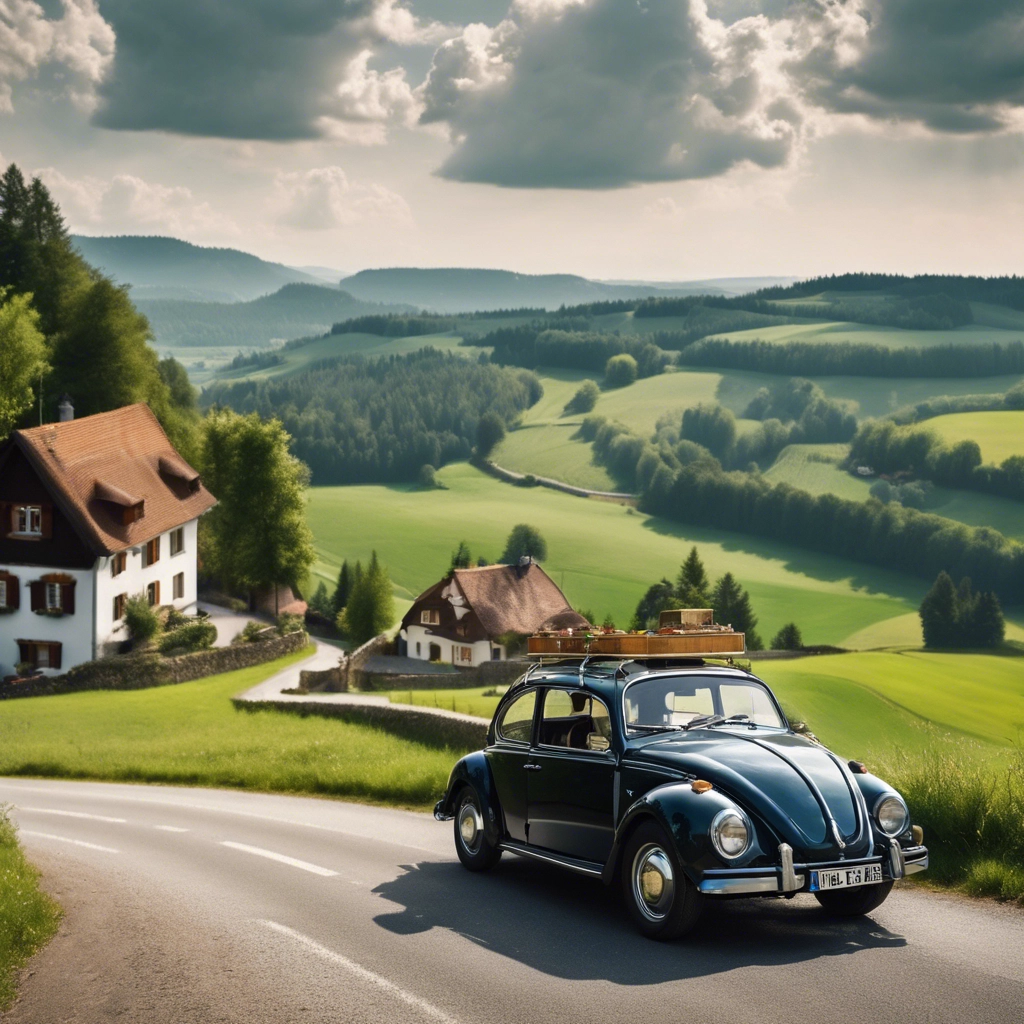
How to Travel to Germany
How to Travel to Germany
Germany is one of Europe’s most accessible destinations, with excellent international connections by air, rail, road, and sea. As part of the Schengen Area, entry is straightforward for most visitors (up to 90 days visa-free for many nationalities), though new systems like ETIAS will apply from late 2026. Efficient high-speed trains, extensive public transport, and the famous Autobahn make getting there and getting around easy and enjoyable. This guide covers entry requirements, best arrival options, internal travel, and essential tips for a seamless trip (as of March 2026).
Key Steps and Options for Traveling to Germany
1. Entry Requirements and Visas
Germany is in the Schengen Area: most visitors from the US, Canada, UK, Australia, and many others enjoy visa-free entry for up to 90 days in any 180-day period for tourism or business.
Passport rules: Must be valid for at least 3 months beyond your planned departure from Schengen, and generally not older than 10 years. Carry proof of funds, return/onward ticket, and accommodation if asked.
Important update: The European Travel Information and Authorisation System (ETIAS) launches in the last quarter of 2026 for visa-exempt travelers—apply online in advance (small fee, valid 3 years or until passport expires). Check official EU site closer to travel.
Non-visa-exempt nationalities need a Schengen visa (C-type) applied for in advance.
2. Flying to Germany
The fastest and most popular way for international travelers. Major hubs include Frankfurt (FRA—busiest, major Lufthansa hub), Munich (MUC—award-winning, great for southern Germany), Berlin Brandenburg (BER—modern, central/eastern focus), and Düsseldorf, Hamburg, Cologne.
Direct flights: Abundant from North America, Asia, Middle East, and Europe via Lufthansa, United, Delta, British Airways, Emirates, etc. Budget carriers (Ryanair, easyJet) serve smaller airports.
Book early for deals; consider open-jaw tickets (fly into one city, out of another) for multi-region trips.
3. By Train from Neighboring Countries
Germany’s central location makes rail ideal from Europe. High-speed ICE trains connect from Paris (via Brussels), Amsterdam, Brussels, Zurich, Vienna, Prague, Copenhagen, Warsaw, and more.
From UK: Eurostar to Brussels/Paris then ICE to Cologne/Frankfurt (6-8 hours total). Overnight NightJet options available from Austria/Switzerland/Netherlands.
Eurail/Interrail passes cover Germany and offer flexibility for multi-country trips.
4. By Car or Ferry
Drive via excellent highways from France, Netherlands, Belgium, Denmark, Poland, Austria, Switzerland, or Czechia. No direct UK-Germany ferries; use Dover-Calais then drive, or Harwich-Hook of Holland + train/car.
Ferries serve Scandinavia (Denmark-Sweden to northern Germany ports like Puttgarden, Rostock) or Baltic routes.
EU driving license valid; US/Canada need International Driving Permit. Drive on right; Autobahn has no general speed limit in sections.
5. Getting Around Germany
World-class public transport: Deutsche Bahn ICE/IC trains for fast intercity (Berlin-Munich ~4-5 hrs), regional trains/buses for countryside. FlixBus/FlixTrain for budget options.
City transport: U-Bahn/S-Bahn/trams/buses integrated with day/week passes. Deutschlandticket (€49/month, 2025 onward) covers local/regional nationwide.
Car rental great for rural areas (Romantic Road, Bavarian Alps); book via Sixt, Avis, Enterprise.
6. General Travel Tips
Book transport early for peak seasons (summer, Oktoberfest, Christmas markets). Carry cash/credit cards (contactless common). English widely spoken in tourist areas.
Get travel insurance covering health, delays, theft. Download offline maps and translation apps.
Emergency number: 112. Respect quiet hours and recycling rules.
7. Regional and Seasonal Considerations
Fly into Frankfurt/Munich for southern/Bavarian focus; Berlin for east/central. Trains best for multi-city (e.g., Rhine Valley, Black Forest).
Winter: Snow in Alps—trains reliable. Summer: Crowds at festivals—book ahead. Shoulder seasons ideal for fewer crowds, better deals.
Rural areas: Car or regional trains/buses needed; cities favor public transport.
Disclaimer: Travel rules, schedules, and conditions can change. Always check official sources (Deutsche Bahn, EU travel site, your embassy, airline) for the latest information before planning. This guide is for general reference only and based on sources as of March 2026.