
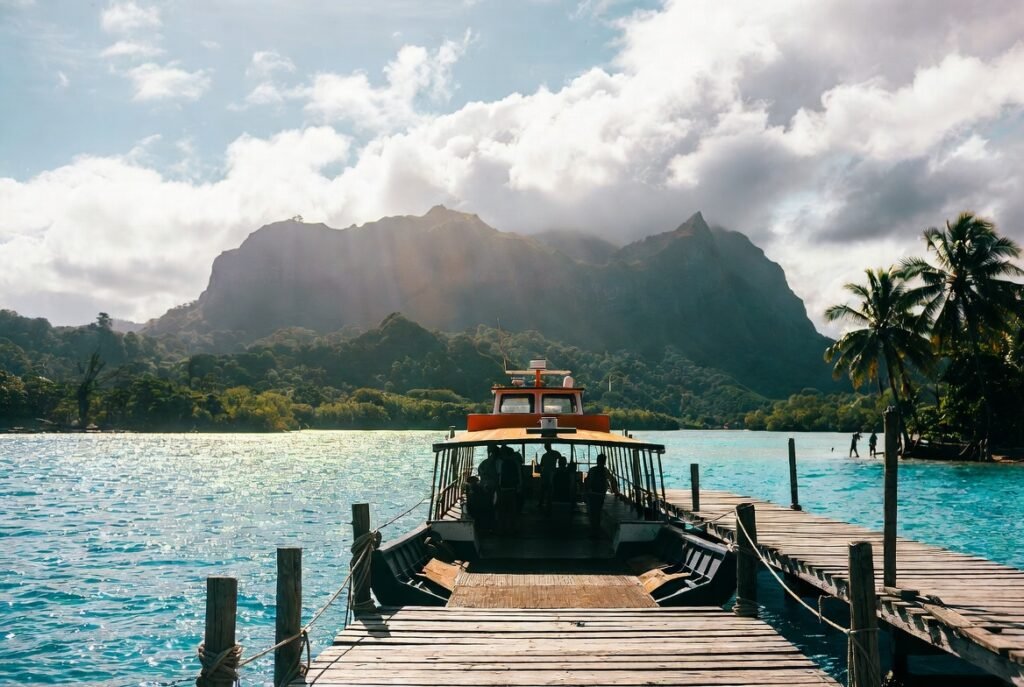
How to Travel to the Pacific Islands?
How To Travel To the Pacific Islands: The Ultimate Guide 2026
The Pacific Islands offer turquoise lagoons, vibrant cultures, dramatic volcanoes, and some of the warmest hospitality on Earth. Whether you’re dreaming of Fiji, Samoa, Tahiti, Vanuatu, the Cook Islands, or Tonga, this comprehensive guide covers everything you need for a smooth trip in 2026: flights, island hopping, visas, best times to visit, and practical tips.
Travel here is very different from mainland destinations — distances between islands are measured in ocean crossings, and many experiences still feel wonderfully remote and authentic.
Essential Steps for Traveling to the Pacific Islands
1. Getting There & Island Hopping
Most travellers fly into a main hub then island-hop by small plane or ferry.
International Gateways: Nadi (Fiji), Apia (Samoa), Papeete (Tahiti), Port Vila (Vanuatu), Rarotonga (Cook Islands).
Inter-Island Travel: Air Tahiti, Fiji Link, Samoa Airways, and small operators run frequent flights. Ferries connect nearby islands (e.g. Fiji’s Yasawa Islands, Samoa to Savai’i).
Top 5 Tips:
- Fly into one hub and out of another to maximise islands
- Book inter-island flights early — small planes fill up fast
- Consider multi-island air passes (e.g. Fiji, French Polynesia)
- Ferries are cheaper but weather-dependent
- Domestic flights offer spectacular aerial views
2. Visa & Entry Requirements
Most nationalities receive visa-free entry for tourism (usually 30–90 days).
Common Rules: Valid passport (6+ months), proof of onward travel, sufficient funds, and sometimes proof of accommodation.
Key Destinations:
- Fiji, Samoa, Tonga, Cook Islands, Vanuatu: Visa-free for most visitors
- French Polynesia (Tahiti): Visa-free for many (Schengen-style rules)
- Longer stays: Extensions possible on main islands
3. Best Time to Visit
The Pacific has a distinct dry and wet season.
Dry Season (May–October): Cooler, less rain, ideal for snorkeling, diving, and hiking. Peak tourist season.
Wet/Cyclone Season (Nov–April): Warmer, greener, occasional heavy showers and higher cyclone risk (especially Dec–Mar). Lower prices and fewer crowds.
Top 5 Seasonal Highlights:
- May–Oct: Best overall weather and visibility
- Jun–Sep: Whale watching in many islands
- Dec–Feb: Festive season and school holidays in the South Pacific
- Shoulder months (Apr, Nov): Great balance of weather and value
- Cyclone season: Still enjoyable on many islands with proper planning
4. Island Hopping & Local Transport
Getting around the Pacific is an adventure in itself.
Small Planes: The most common and scenic way between islands.
Ferries: Frequent in places like Fiji (Yasawa, outer islands) and Samoa (to Savai’i).
Local Buses & Boats: Cheap and authentic on main islands.
Top 5 Options:
- Air passes for multi-island travel
- Private speedboat transfers to resorts
- Local buses (“carrier” in Fiji, “aiga” buses in Samoa)
- Renting scooters or small cars on larger islands
- Liveaboard dive boats or yacht charters for ultimate freedom
5. Budget, Practical Tips & Packing
The Pacific can range from budget beach fales to luxury overwater bungalows.
Currency: Local currencies (FJD, WST, etc.) plus USD/EUR widely accepted in tourist areas.
Connectivity: Wi-Fi good at resorts, patchy on outer islands. Local SIMs are cheap.
Top 5 Practical Tips:
- Book popular resorts and flights well in advance
- Carry cash for villages and outer islands
- Pack reef-safe sunscreen, reef shoes, and lightweight clothing
- Respect local customs — dress modestly in villages
- Get travel insurance with medical evacuation coverage
Disclaimer: Entry requirements, flight schedules, and travel conditions can change. Always check official government and airline websites before departure. Information is current as of 2026.