

How To Travel In the Schengen Zone
Schengen Visa Rules Explained
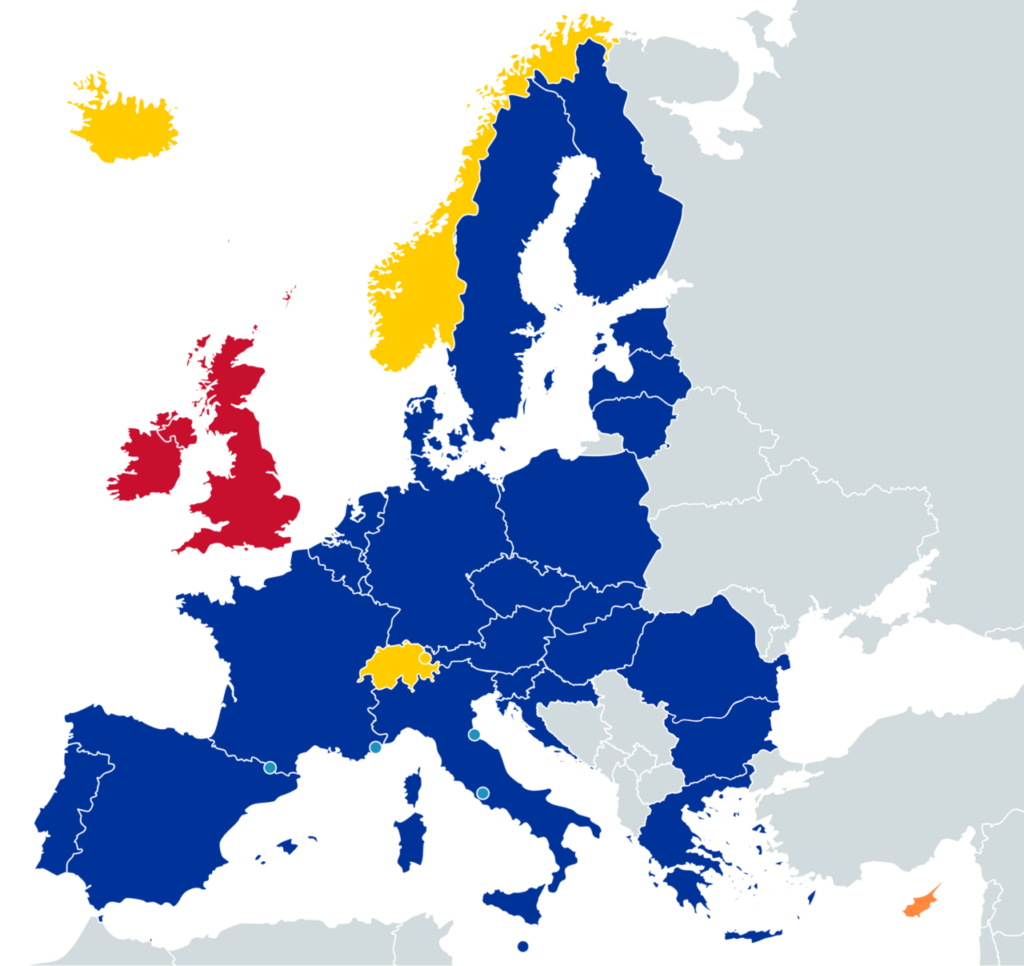
The Schengen Area allows free movement across 27 European countries without internal border controls. Understanding the visa rules, especially the 90/180 day rule, is essential for visa-free travelers and those needing a Schengen visa.
This guide covers entry requirements, how to calculate your stay, how to apply, and what happens if you overstay.

How to Calculate the 90/180 Day Rule
Understanding the Rule
Most visa-free travelers may stay up to 90 days within any 180-day period in the Schengen Area. Every entry and exit day counts as a full day.
- Identify the period you wish to stay in the Schengen Area.
- Count all days spent inside the Schengen Area (including arrival and departure days).
- Use a 180-day sliding window: From any given day, look back 180 days and ensure you have not exceeded 90 days total.
- Keep records of all previous visits — they count toward the limit.
- Multiple entries/exits within the 180-day window must all be included.
How to Apply for a Schengen Visa
Step-by-Step Application Process
Determine the main Schengen country where you will spend most of your time (or your first entry point if evenly split).
- Check the visa requirements and eligibility on the embassy/consulate website of that country.
- Complete the official Schengen Visa Application Form online.
- Gather required documents: proof of financial means, travel medical insurance (minimum €30,000 coverage), round-trip itinerary, proof of accommodation, and employment/leave documents.
- Schedule and attend an appointment at the embassy, consulate, or authorized visa center (e.g., VFS Global).
- Attend the visa interview, submit biometrics if required, and pay the visa fee.
- Wait for the decision (usually 15 calendar days, can be longer).
Note: The visa issued is valid for the entire Schengen Area, but you must apply through the country of your main destination.
What Happens If You Overstay in the Schengen Zone
Consequences of Overstaying
Overstaying the authorized period (visa-free 90 days or the validity of your visa) is a serious violation.
Possible penalties include:
- Fines (amount varies by country)
- Deportation at your own expense
- Entry ban (Schengen-wide) for 6 months up to several years
- Difficulties obtaining future visas
Even short overstays can lead to problems at future border checks.
Disclaimer: Immigration rules can change. Always verify the latest information on official government websites or with the relevant embassy. This guide is for informational purposes only and does not replace official advice.