
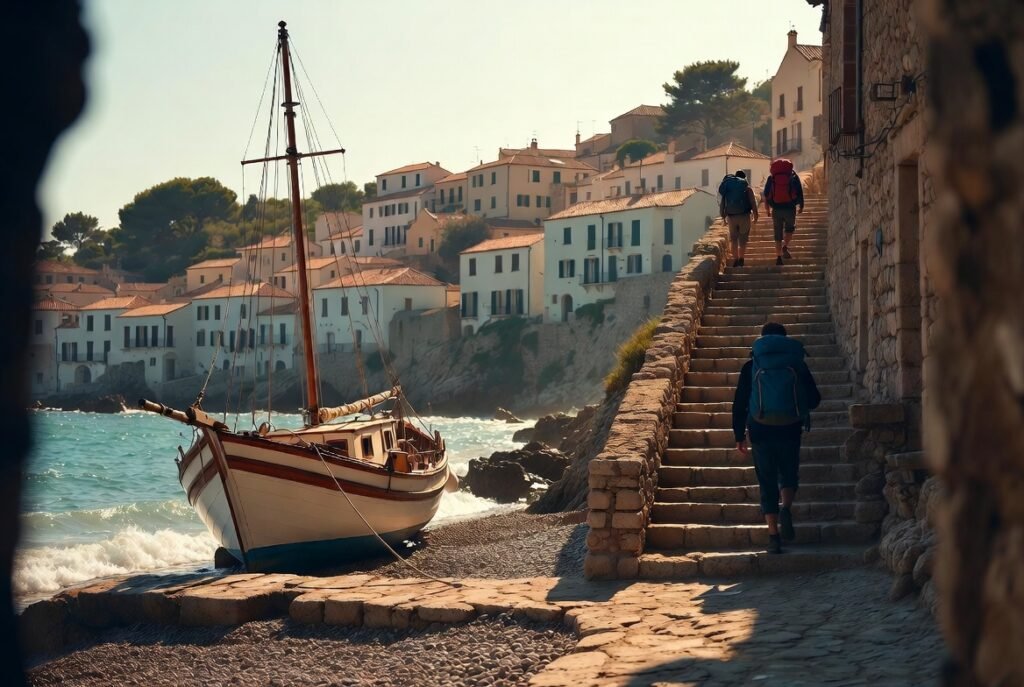
Croatia Packing Guide
What to Pack for Croatia: Complete Packing Guide 2026
Croatia’s Mediterranean climate brings hot, sunny summers along the Adriatic coast, pebble beaches, and dramatic islands — but weather can shift quickly with sea breezes, afternoon thunderstorms, or cooler evenings. Historic cobblestone towns like Dubrovnik and Split require sturdy footwear, while island-hopping and boat trips demand sun protection and quick-dry gear.
This complete 2026 packing guide covers everything for beach holidays, island ferries, city exploration, Plitvice Lakes or Krka National Park hikes, and relaxed coastal getaways. Whether you’re road-tripping the Dalmatian Coast, sailing around Hvar and Vis, or wandering medieval streets, this list ensures you’re prepared without overpacking.
The secret to packing for Croatia is versatile layering, breathable fabrics, and practical items for pebble beaches and uneven stone paths. Focus on quality, multi-use pieces and leave space for local souvenirs like lavender, olive oil, or wine.
Complete Packing Guide by Category & Trip Type
1. Core Clothing & Layering System (Essential for All Trips)
Croatia’s summers are hot and humid near the coast, with cooler evenings and possible rain. Build around lightweight, breathable fabrics (linen, cotton, quick-dry synthetics) and modest coverage for churches and monasteries.
Recommended Items:
- 4–5 tank tops or breathable t-shirts
- 2–3 linen or lightweight button-up shirts (sun protection & modesty)
- 2–3 shorts or skirts (knee-length options for towns)
- 2 linen trousers or lightweight pants
- 2 summer dresses (versatile for day-to-evening)
- Light cardigan or long-sleeve shirt for evenings and churches
- 2 swimsuits + cover-up/sarong
2. Footwear for Cities, Beaches & Hiking
Cobblestone streets in old towns and pebble beaches make supportive, comfortable shoes non-negotiable. Expect lots of walking.
Essential Footwear:
- Comfortable broken-in walking shoes or sneakers (for Dubrovnik walls, Split, Zadar)
- Sturdy sandals or flip-flops (beach & casual)
- Water shoes or grippy sandals (pebble beaches get hot and slippery)
- Light hiking shoes if visiting Plitvice, Krka or Paklenica National Park
3. Weather Protection (Sun, Sea Breeze & Rain)
Strong Mediterranean sun, sudden afternoon showers, and cooling sea breezes are common, especially on islands and ferries.
Must-Have Items:
- High-SPF reef-safe sunscreen & after-sun lotion
- Wide-brim hat, cap & sunglasses with UV protection
- Lightweight waterproof rain jacket or windbreaker
- Compact travel umbrella
- Light scarf or shawl (modesty, sun, evening chill)
4. Beach & Island Hopping (Hvar, Vis, Korčula, Dubrovnik Coast)
Crystal-clear waters and pebble beaches define Croatia’s islands. Boat trips and ferries are part of the adventure.
Key Items:
- Quick-dry swimwear & rash guard
- Microfibre beach towel or sarong
- Dry bag or waterproof phone pouch
- Snorkel mask & fins (optional — easy to rent)
- Motion sickness tablets (for speedboat transfers)
- Insect repellent (evenings, especially near water)
5. Historic Cities & Urban Exploration (Dubrovnik, Split, Zagreb, Trogir)
Cobblestone streets, steep steps, and cultural sites require comfortable yet respectful clothing.
Recommended Items:
- Modest outfits (shoulders & knees covered for churches)
- Light dress or smart-casual set for evening dinners
- Crossbody bag or small daypack (anti-theft in busy areas)
- One nicer outfit for upscale restaurants or wine tasting
- Small foldable tote for markets
6. Hiking & National Parks (Plitvice, Krka, Paklenica)
Waterfalls, lakes, and karst landscapes reward those who explore inland.
Key Items:
- Daypack (20–30L) with rain cover
- Quick-dry hiking clothes & sturdy shoes
- Reusable water bottle (tap water is safe)
- Head torch (for longer trails or caves)
- Blister plasters & basic first-aid
- Walking poles (optional but helpful on slippery boardwalks)
7. Road Trip, Documents, Tech & Miscellaneous
Driving the coastal roads or island-hopping requires practical items for smooth travel.
Essential Items:
- Universal travel adapter (Type C & F plugs, 230V)
- Power bank, chargers & waterproof phone case
- Passport, travel insurance, driving licence & copies
- Credit cards + some Euros cash (for small vendors/markets)
- Prescription meds + basic pharmacy kit
- Reusable shopping bag & snacks
- Offline maps (Google Maps or Maps.me)
Seasonal Packing Adjustments
Summer (Jun–Sep): Light clothing, maximum sun & swim protection, quick-dry items. Still pack a rain jacket and light layers for evenings and ferries.
Spring (Apr–May) & Autumn (Oct): Full layering — add a fleece or light jacket. Fewer crowds and pleasant temperatures for hiking and cities.
Winter (Nov–Mar): Warm layers, waterproof coat, boots, and indoor-focused items. Coastal areas stay mild but can be rainy and windy.
Disclaimer: Packing needs vary depending on your exact itinerary, activities, and personal preferences. Always check current weather forecasts, ferry schedules, and national park conditions before departure. This guide is for general reference and planning purposes only.