
Mexico
15 Best Things to See in Oaxaca, Mexico
Oaxaca captivates with its rich Zapotec and Mixtec heritage, colorful colonial architecture, world-renowned cuisine, and dramatic landscapes. From ancient hilltop ruins and vibrant indigenous markets to petrified waterfalls and charming mountain villages, these 15 iconic sights showcase the very best of Oaxaca’s culture, history, and natural beauty.
15 Best Things to See in Oaxaca, Mexico
1. Oaxaca Historic Center – UNESCO Colonial Gem
The historic center of Oaxaca is a UNESCO World Heritage site filled with elegant colonial buildings, leafy plazas, and cobblestone streets. The vibrant atmosphere and colorful façades make it one of Mexico’s most beautiful cities.
Stroll around the Zócalo, admire the green-stone architecture, and enjoy the lively cafés and street performers. The area comes alive at night with music and local life.
Highlights: Zócalo square, green-stone buildings, evening atmosphere, street vendors.
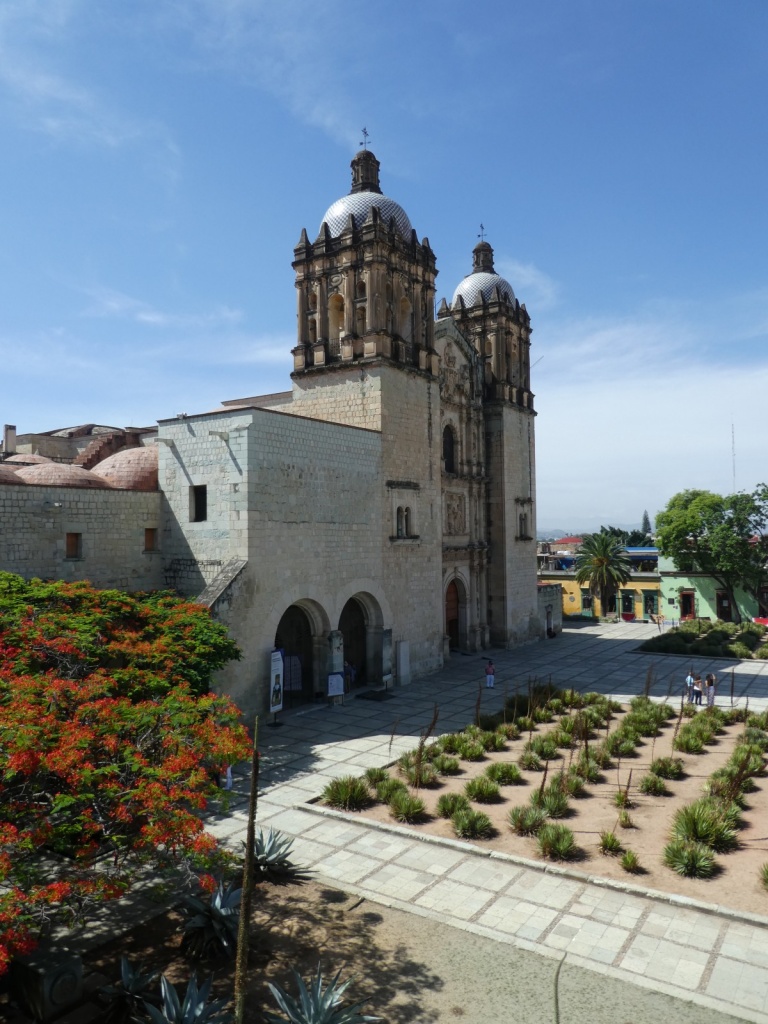
2. Santo Domingo Church – Baroque Masterpiece
The Church and former monastery of Santo Domingo is Oaxaca’s most stunning religious building, featuring an incredibly ornate Baroque interior covered in gold leaf and intricate carvings.
The façade and the adjacent museum (Museo de las Culturas) showcase the fusion of Spanish and indigenous artistry. The tree of life sculpture inside is breathtaking.
Highlights: Golden altarpiece, Tree of Life, museum exhibits, peaceful courtyard.
3. Monte Albán – Ancient Zapotec Capital
Perched on a hill overlooking the valley, Monte Albán is one of Mexico’s most important archaeological sites and a UNESCO World Heritage site. This ancient Zapotec city dates back over 2,500 years.
Explore the Main Plaza, ball court, and observatory. The panoramic views of the surrounding valleys are spectacular, especially at sunset.
Highlights: Main Plaza, ball court, panoramic views, ancient tombs.
4. Hierve el Agua – Petrified Waterfalls
Hierve el Agua features dramatic calcified waterfalls and natural mineral pools overlooking a deep canyon. The surreal rock formations look like frozen cascades.
Swim in the turquoise pools and enjoy the breathtaking valley views. It’s one of Oaxaca’s most unique natural wonders and perfect for photos.
Highlights: Petrified waterfalls, natural pools, canyon views, hiking trails.
5. Benito Juárez Market – Vibrant Local Life
This bustling covered market is the heart of daily Oaxacan life, overflowing with fresh produce, colorful textiles, handmade crafts, and delicious street food.
Sample regional specialties like tlayudas, chapulines, and fresh moles. The market offers an authentic glimpse into indigenous culture and traditions.
Highlights: Fresh food stalls, artisan crafts, textiles, local flavors.
6. Mitla – City of the Dead
Mitla is famous for its intricate geometric stone mosaics and well-preserved Zapotec architecture. Unlike Monte Albán, many buildings here were used for religious ceremonies.
Explore the Column Group and the Hall of the Columns with its impressive monolithic pillars. Nearby villages offer excellent textile shopping.
Highlights: Geometric mosaics, Hall of Columns, ancient tombs, nearby villages.
7. Oaxaca Mezcal Distilleries – Agave Heritage
Oaxaca is the spiritual home of mezcal. Visiting traditional palenques (distilleries) offers insight into the ancient production process using wood-fired stills and wild agaves.
Taste different varieties and learn about the difference between mezcal and tequila. Many distilleries are set in beautiful rural landscapes.
Highlights: Traditional production, tastings, agave fields, knowledgeable guides.
8. Árbol del Tule – Giant Ancient Tree
The Árbol del Tule is one of the widest trees in the world, a massive Montezuma cypress estimated to be over 2,000 years old. Its enormous trunk has a circumference of nearly 42 meters.
Located in Santa María del Tule, the tree is a living symbol of Oaxaca’s natural heritage and a popular stop on day trips.
Highlights: Massive trunk, ancient history, local legends, photo opportunities.
9. Museo Rufino Tamayo – Pre-Hispanic Art
Housed in a beautiful colonial building, this museum showcases an outstanding collection of pre-Hispanic art collected by Oaxacan artist Rufino Tamayo.
The pieces are beautifully displayed with artistic sensibility, offering deep insight into the artistic traditions of ancient Mesoamerican cultures.
Highlights: Pre-Hispanic ceramics, artistic presentation, colonial building.
10. Jardín Botánico – Oaxaca’s Plant Diversity
The Oaxaca Botanical Garden is one of the most important in Mexico, showcasing the incredible plant diversity of the region, including hundreds of cactus species.
Guided tours provide fascinating information about medicinal plants, endangered species, and the relationship between Oaxaca’s flora and its indigenous cultures.
Highlights: Native cacti, medicinal plants, peaceful setting, expert guides.
11. San Agustín Etla & Surrounding Pueblos
The villages surrounding Oaxaca City, known as the “pueblos mágicos,” offer authentic experiences including traditional crafts, local markets, and charming plazas.
San Agustín Etla is famous for its paper-making tradition, while others like Teotitlán del Valle specialize in wool rugs. Each village has its own unique character.
Highlights: Artisan workshops, traditional markets, village life, local festivals.
12. Guelaguetza Festival Site – Cultural Celebration
The Guelaguetza is Oaxaca’s most important cultural festival, celebrating indigenous traditions through dance, music, and regional dress on Cerro del Fortín.
Even outside festival dates, the amphitheater offers panoramic views and insight into the “Guelaguetza” spirit of sharing and community.
Highlights: Traditional dances, regional costumes, hilltop views, cultural pride.
13. Day of the Dead Celebrations – Vibrant Tradition
Oaxaca celebrates Día de los Muertos with incredible energy. Elaborate altars, marigold flowers, and parades fill the streets and cemeteries.
Visit the Zócalo, cemeteries, and sand sculptures during late October and early November for one of Mexico’s most colorful cultural experiences.
Highlights: Ornate altars, cemetery vigils, parades, traditional food offerings.
14. Zaachila & Cuilápam Ruins – Lesser-Known Treasures
These quieter archaeological sites offer a more intimate experience of Zapotec and Mixtec history with beautiful murals and royal tombs.
Zaachila features an active excavation feel, while Cuilápam has a massive unfinished Dominican monastery with impressive architecture.
Highlights: Royal tombs, murals, peaceful atmosphere, Mixtec history.
15. Teotitlán del Valle – Rug Weaving Village
This famous Zapotec village is renowned for its traditional wool rug weaving using natural dyes. Families demonstrate the entire process from spinning to dyeing.
Visit family workshops, the local market, and the ancient church. The surrounding mountains provide a scenic backdrop to this living cultural tradition.
Highlights: Traditional weaving, natural dyes, family workshops, village charm.
Oaxaca offers a perfect mix of culture, nature, and gastronomy — always check current opening hours for archaeological sites and book popular tours like Monte Albán in advance during peak season. Respect local indigenous communities and traditions when visiting villages.