
Hoi An: Trains, Tailors & Vietnamese Coffee
A spectacular railway, ancient streets, fabulous food and our first Vietnamese night bus
We caught the train from Hue to Da Nang, with Hoi An our final destination.
I had heard whispers about the train journey south and had stumbled across an obscure blog that claimed it was one of the most beautiful stretches of railway in Vietnam. It didn’t seem to be particularly popular with tourists, which of course made it considerably more appealing to us.
And beautiful it was.
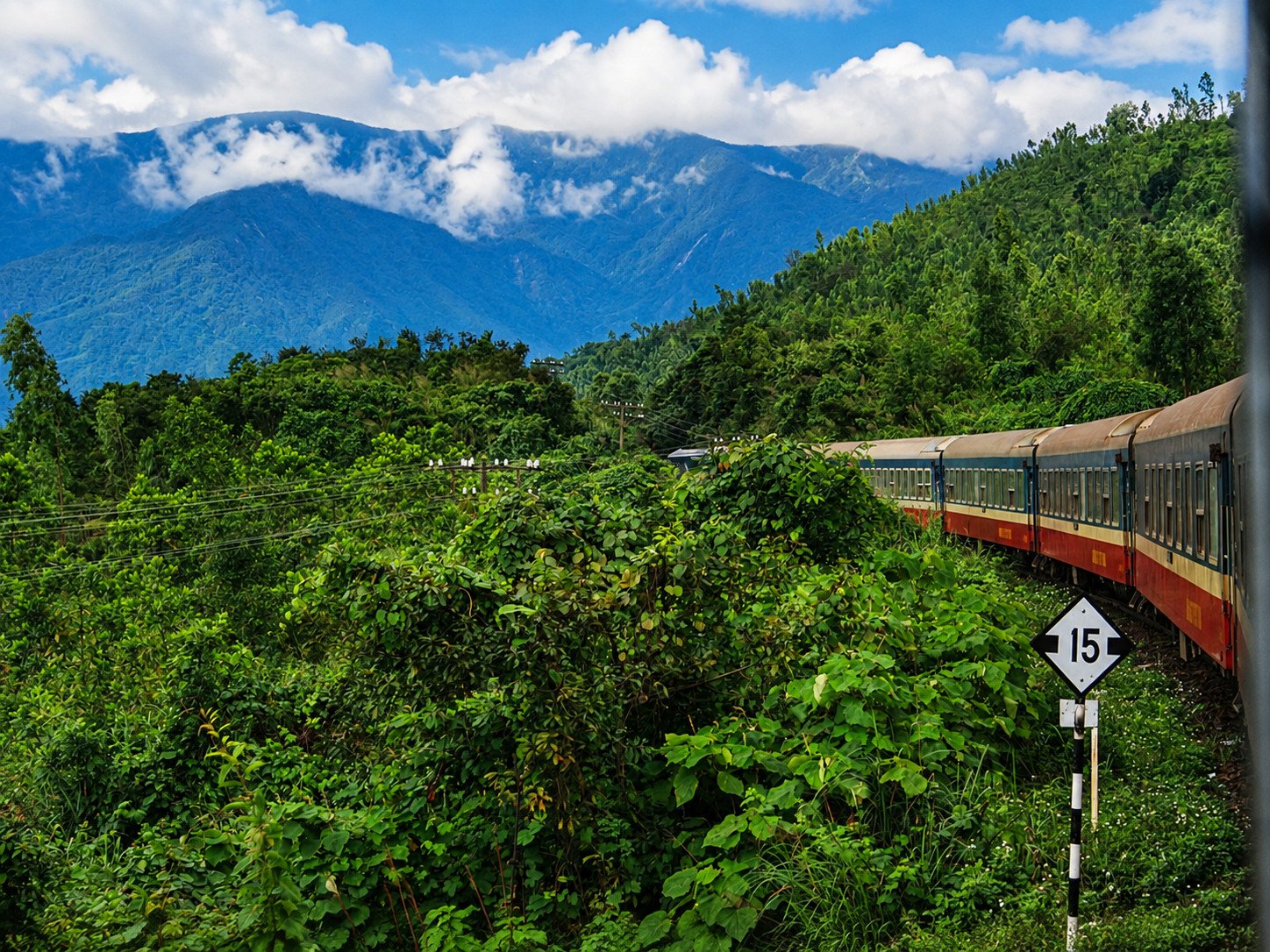
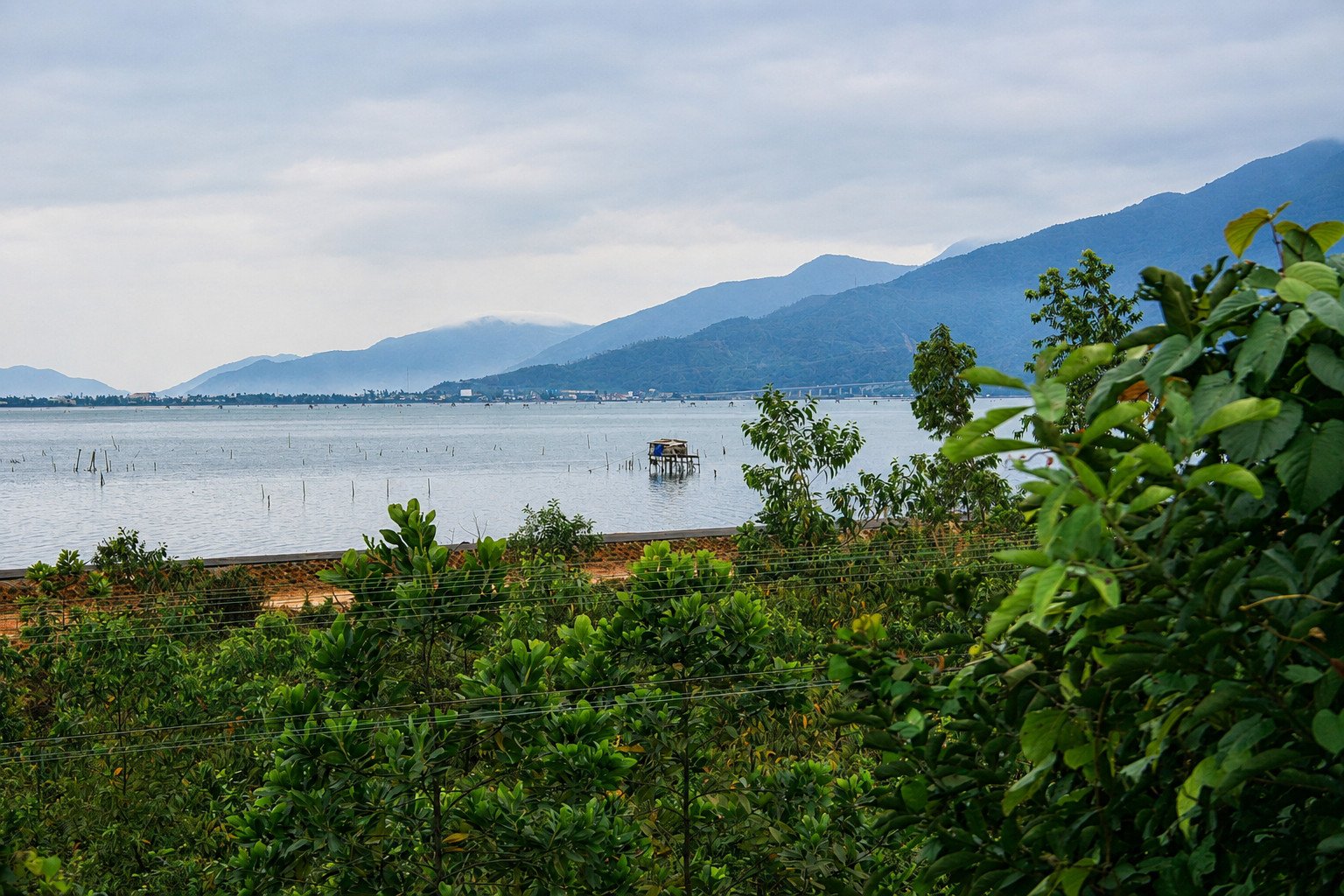
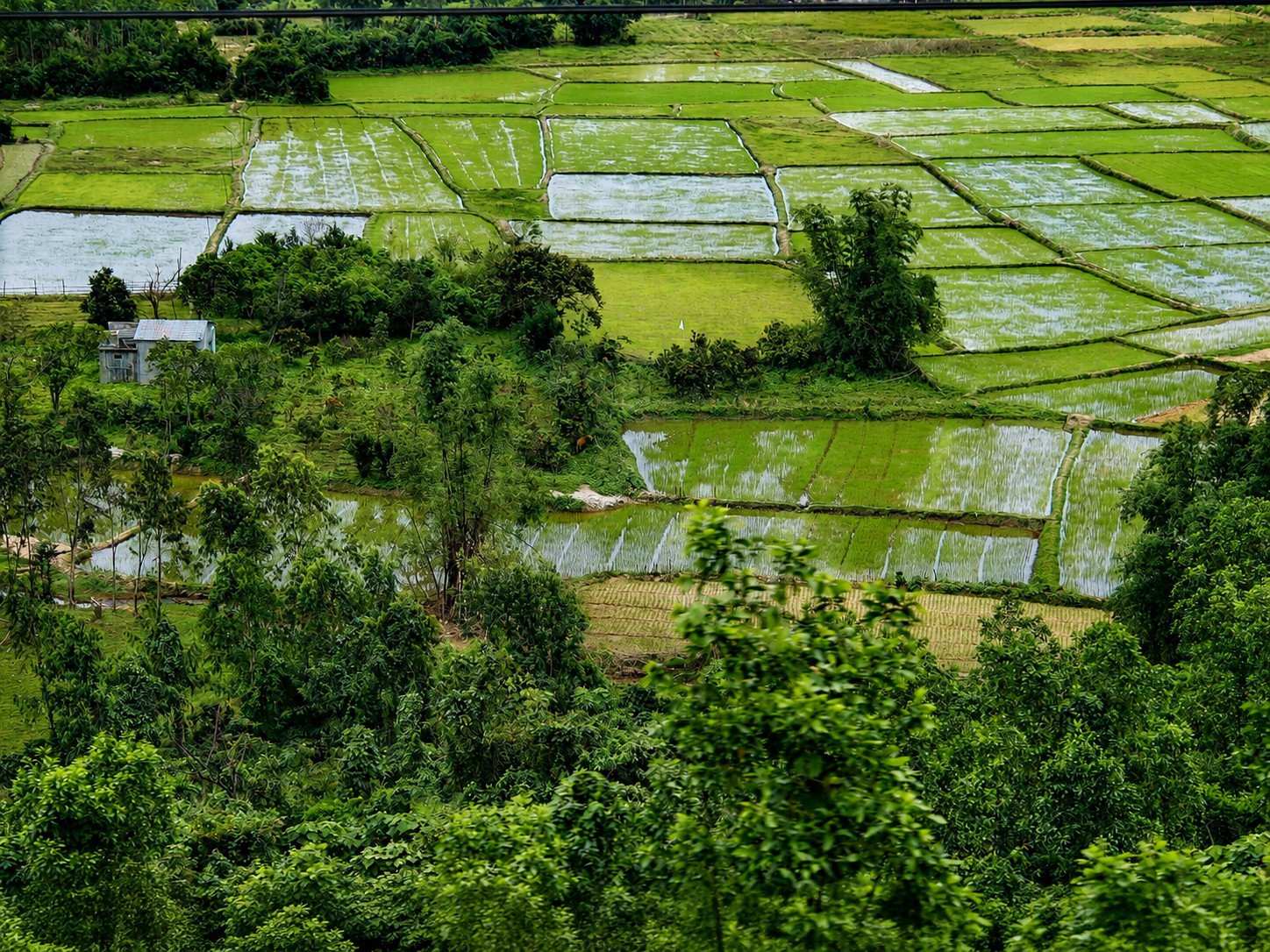
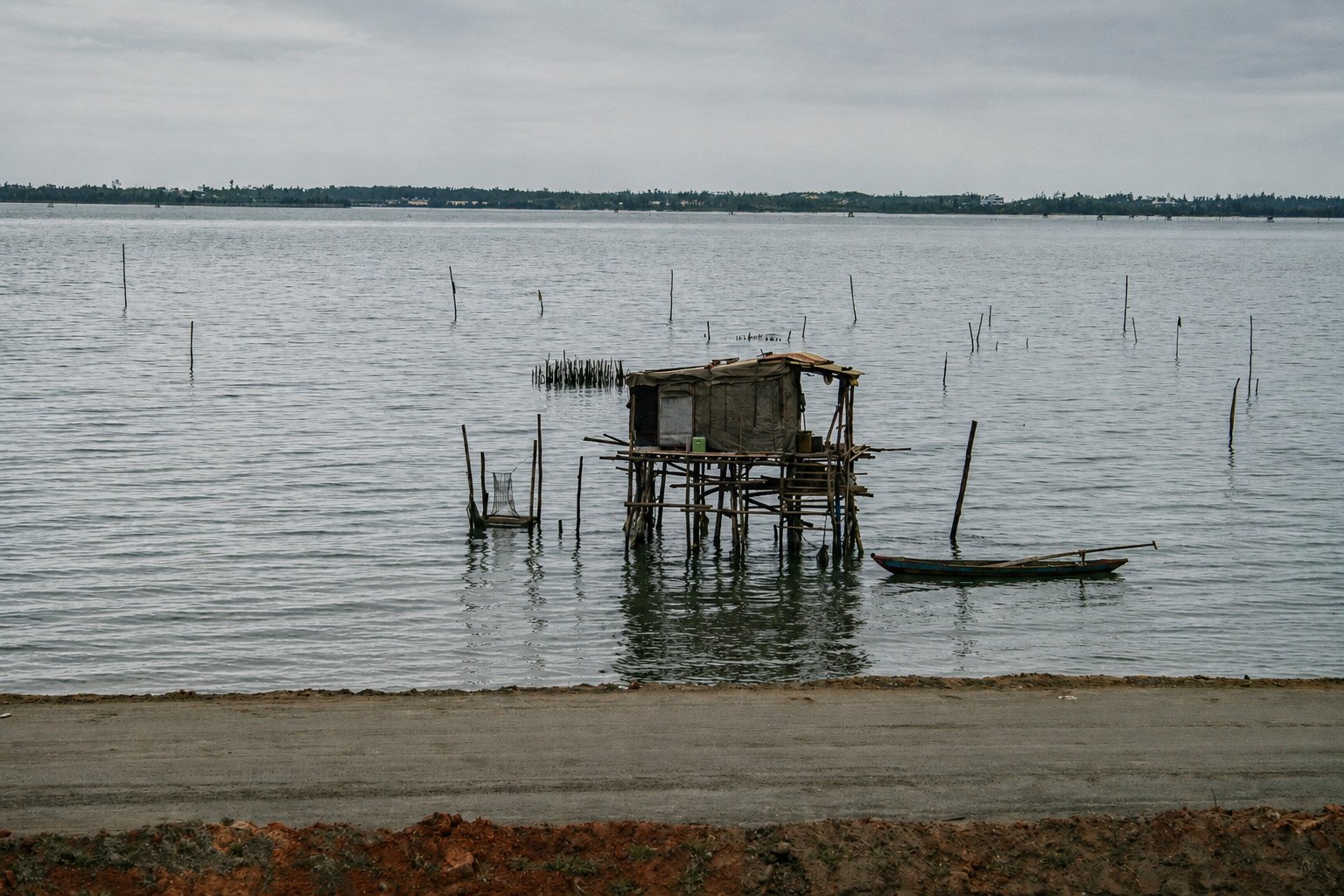
Leaving Hue, the train rolled through flat countryside before beginning the climb towards the Hai Van Pass. Then suddenly we were running along the side of the mountains, the railway squeezed between thick green forest on one side and the sea far below on the other. The train curved around headlands, disappeared into dark tunnels and popped out again to another enormous view across the water. Below us were long sweeps of beach, little bays and fishing boats, while mountains disappeared off into the haze behind them.
It was one of those journeys where you spend most of the time staring out of the window rather than reading, sleeping or doing any of the other things normally associated with sitting on a train for three hours.
A little over three hours after leaving Hue we pulled into Da Nang, found a taxi and headed for Hoi An.
Hoi An. Wow.
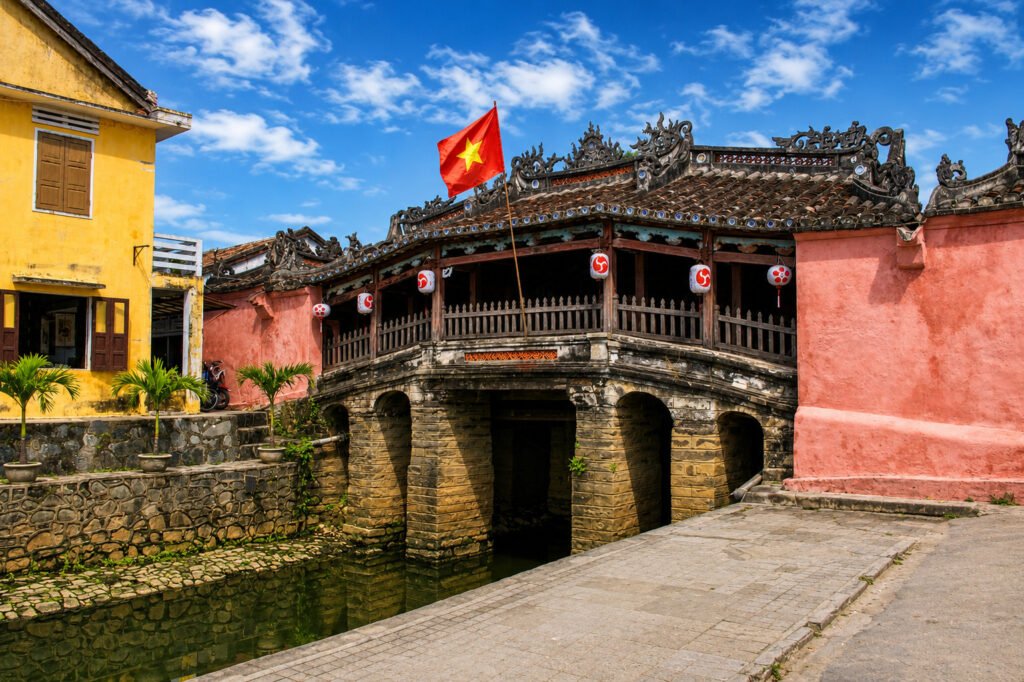
After the traffic, noise and general chaos of some of the places we had travelled through, Hoi An felt almost ridiculously lovely. The old town sat along the river, a maze of narrow streets lined with old merchant houses, temples, shops and little restaurants, with the famous Japanese Covered Bridge tucked among it all. There were Chinese, Japanese and European influences everywhere, remnants of the days when Hoi An had been one of the great trading ports of Southeast Asia.
More remarkable was that so much of it was still standing.
Hoi An somehow escaped much of the destruction suffered by other Vietnamese towns and cities during the wars of the twentieth century, leaving the historic centre remarkably intact. The result was this extraordinary pocket of old Vietnam sitting quietly beside the river.
We found ourselves a hotel not far from the market.
It wasn’t one of our better decisions.
The room was dusty, the bed had apparently been designed by someone who disliked sleeping, and the whole place had a slightly neglected air about it. You know the sort of hotel. Nothing was sufficiently awful to justify storming downstairs demanding your money back, but absolutely nothing made you want to stay either.
So we didn’t.
The following morning we checked out and moved to the Phuoc An, a little further from the centre but clean, comfortable, inexpensive and, importantly, equipped with a jolly good breakfast.
Much better.
We fell in love with Hoi An almost immediately.
Our days quickly developed a fairly agreeable routine involving wandering, eating and stopping for coffee, with occasional bouts of shopping thrown in for good measure.
We ate copious quantities of pho from roadside stalls, perched on tiny plastic chairs apparently designed for people half our size. There is something slightly undignified about lowering yourself onto a chair six inches from the ground while attempting to balance a steaming bowl of noodles, but nobody else seemed remotely concerned, so neither were we.
The food markets were fabulous. Great piles of herbs and vegetables, baskets of fruit, noodles, fish, meat and things we couldn’t immediately identify filled the stalls while scooters, shoppers, vendors and the occasional chicken somehow negotiated the narrow spaces between them.
And then there was Vietnamese coffee.
Vietnamese coffee is not a beverage for anyone looking for a gentle little caffeine lift. It is strong, dark coffee, traditionally brewed slowly through a small metal filter that sits directly over the cup. Often it arrives with a generous layer of sweetened condensed milk underneath, which you stir through once the coffee has finished dripping. The result is thick, sweet and powerful enough to make you feel considerably more alert than you had been five minutes earlier.
We became quite fond of it.
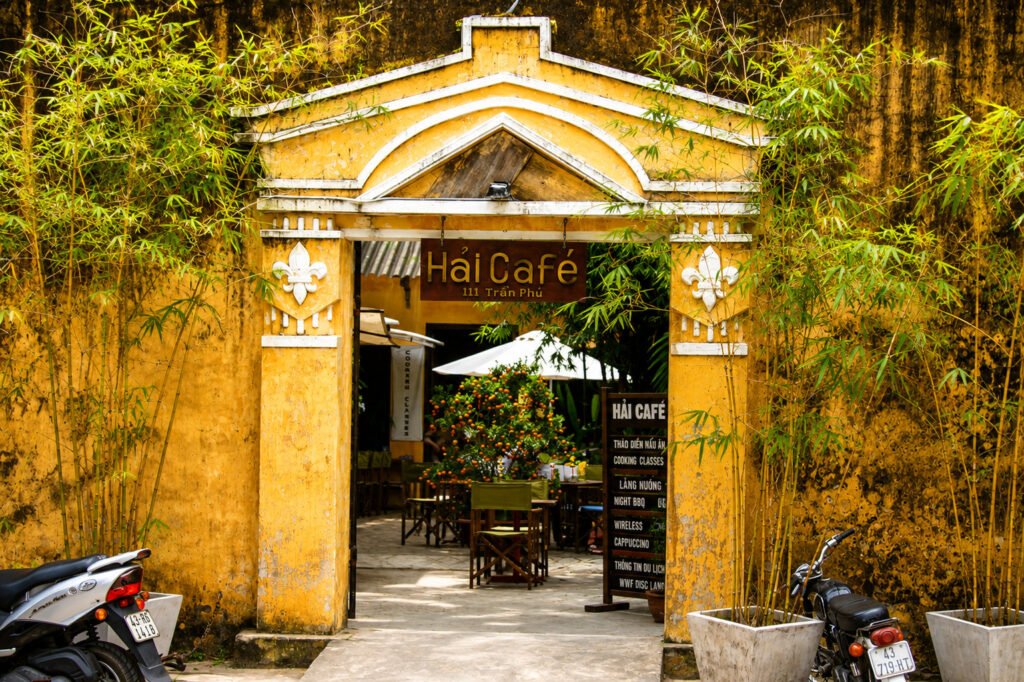
There were few better ways to spend an hour than sitting somewhere near the river with a Vietnamese coffee watching Hoi An go about its business.
Hoi An is also famous for its tailors, and it would have been rather rude not to investigate.
So naturally we did.
We chose a tailor, picked fabrics and designs and were measured in what seemed like every possible direction. The whole process was enormous fun. The women working there were lovely, there was much laughing, adjusting, pinning and discussion, and over the next few days we wandered backwards and forwards for fittings.
Not only did we end up with some fabulous clothes made for a fraction of what we would have paid at home, we had a wonderful time doing it. It was one of those travel experiences where the people involved became as much a part of the memory as whatever it was you were actually buying.
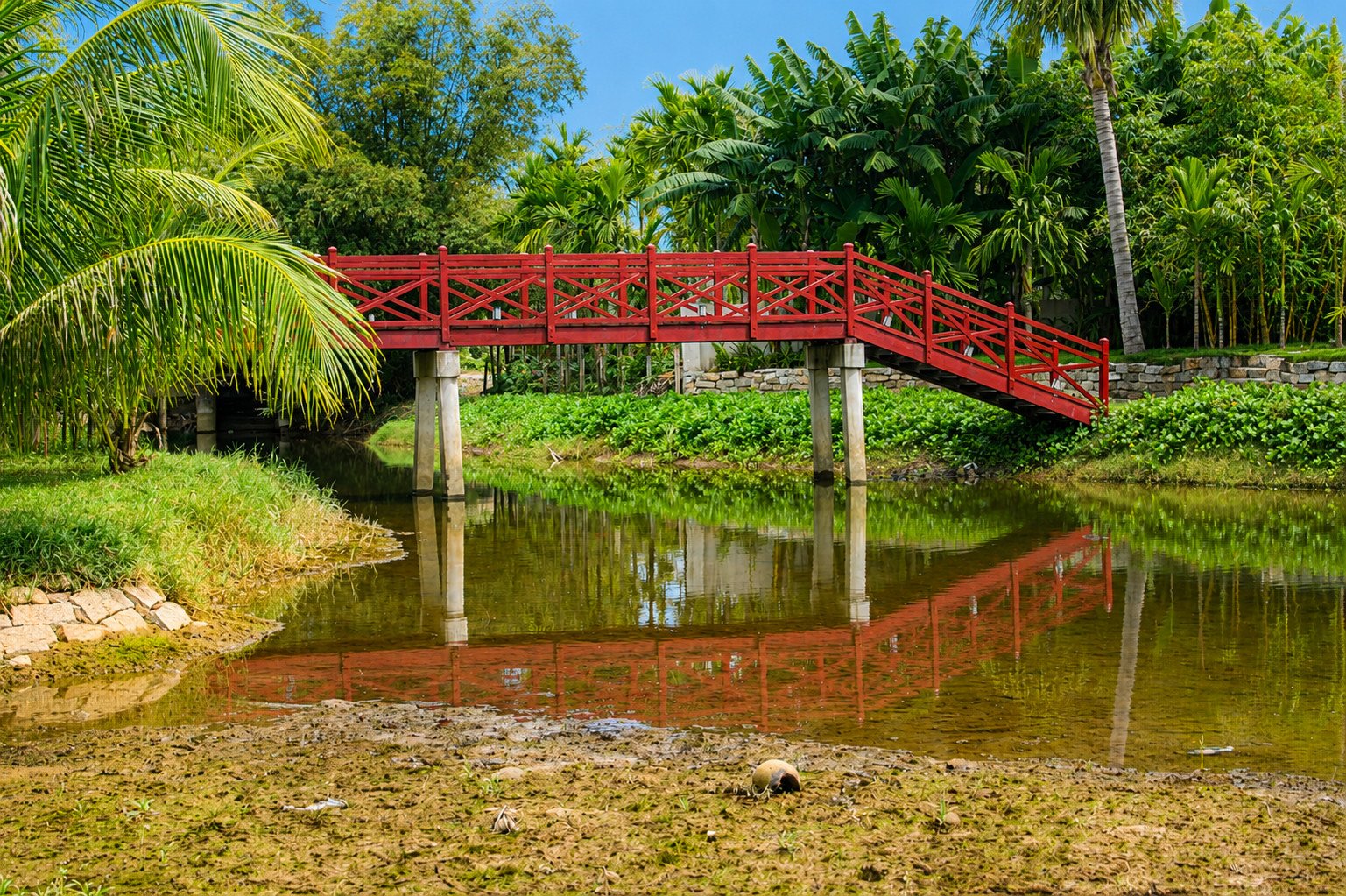
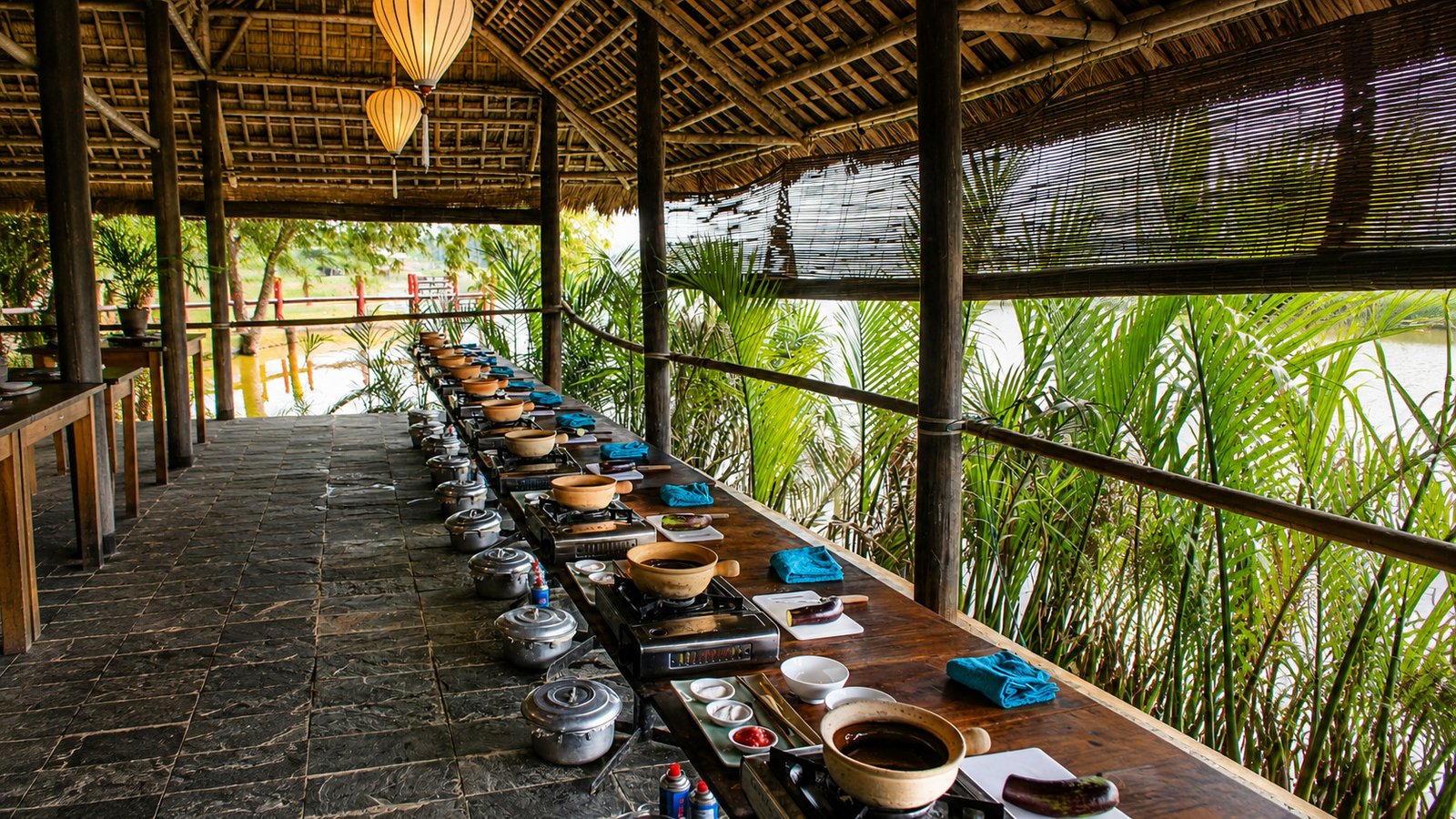
Another day we headed down the river to the Red Bridge Cooking School.
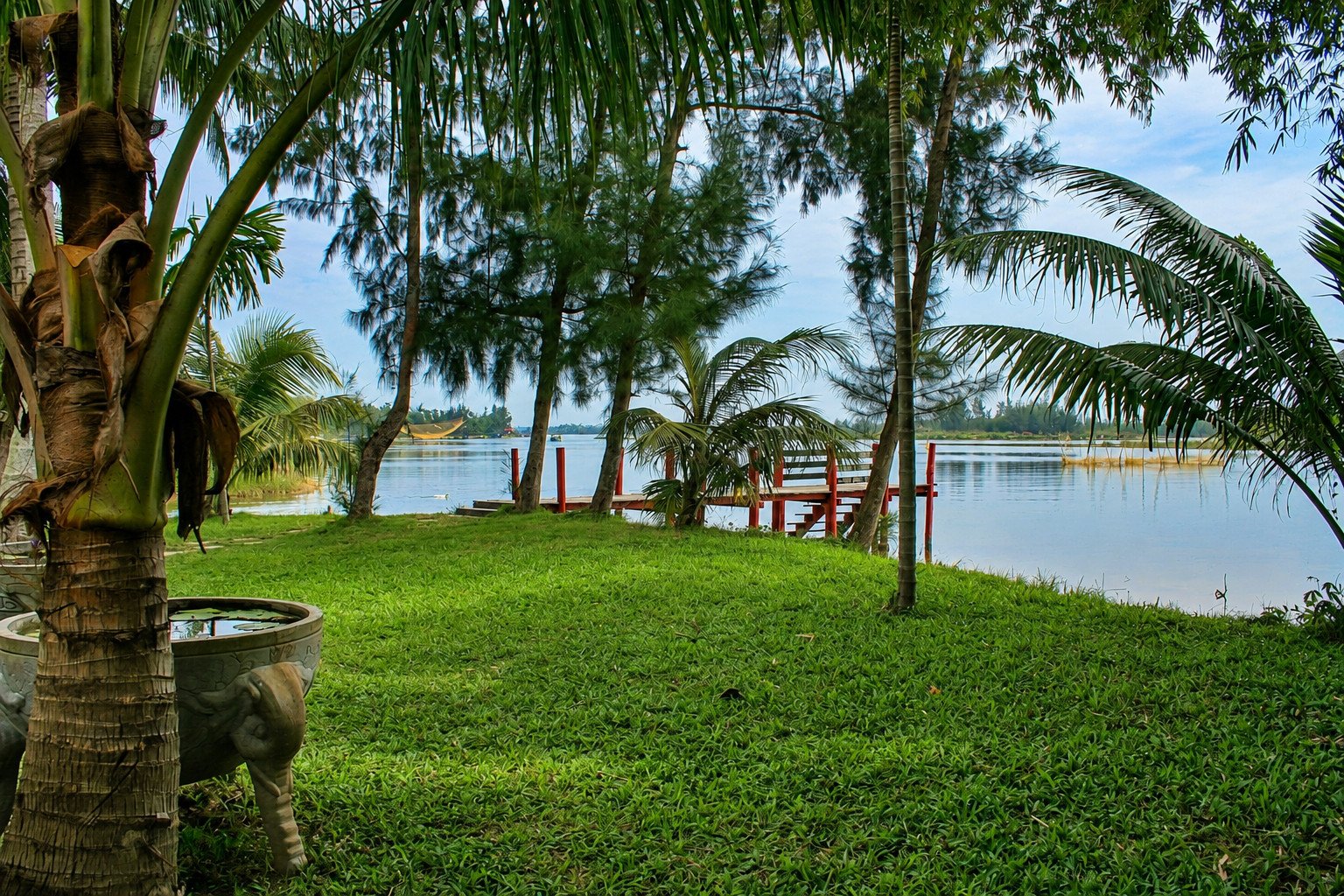
Getting there involved a boat trip, which was already a promising start.
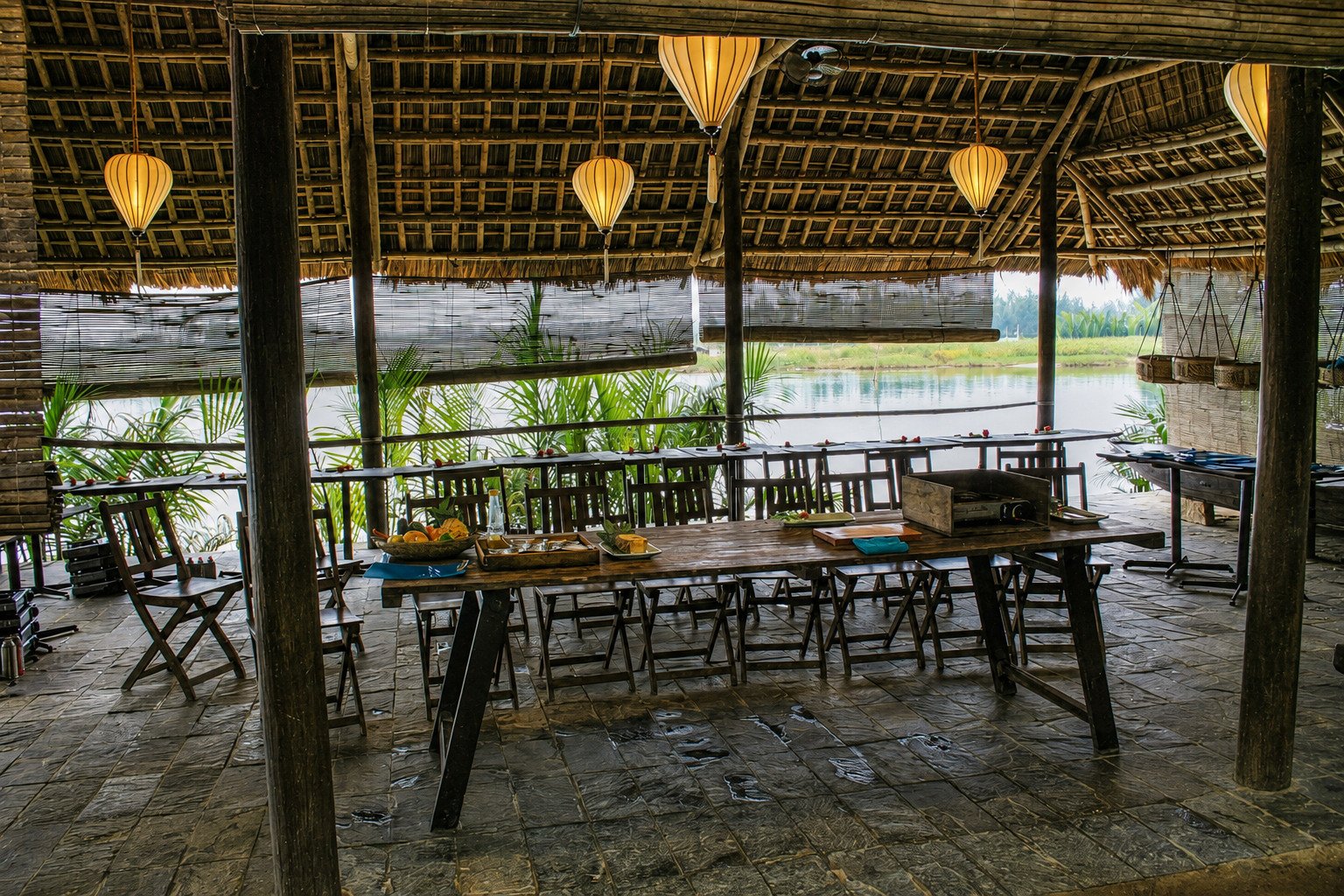
The school was set in beautiful tropical gardens beside the river, and we spent the day learning how to make Vietnamese dishes from scratch. This included making our own rice paper, something that looks ridiculously simple when someone who knows what they are doing demonstrates it.
It isn’t.
There is a definite technique involved, and I discovered fairly quickly that spreading a thin layer of rice batter evenly across a steaming cloth without producing something resembling a wet handkerchief requires considerably more skill than you might imagine.
Still, by the end of the day we had produced a surprisingly respectable collection of dishes, and once all the cooking was finished everyone sat around a big table and ate the results.
A boat trip, beautiful gardens, Vietnamese food and an afternoon spent eating what we’d just made.
Fabulous day. Highly recommended.
On another day we travelled out to My Son, about an hour from Hoi An.
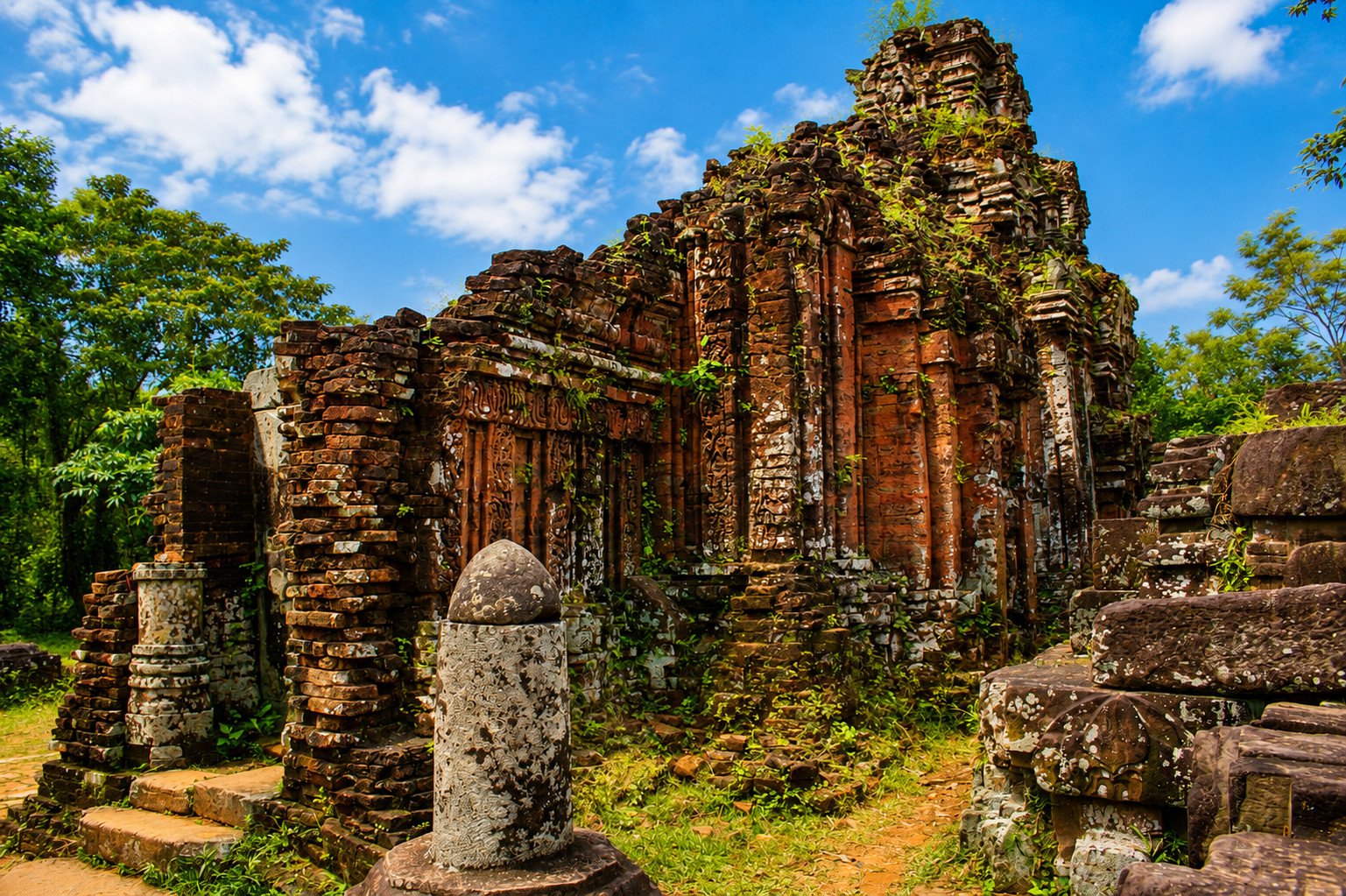
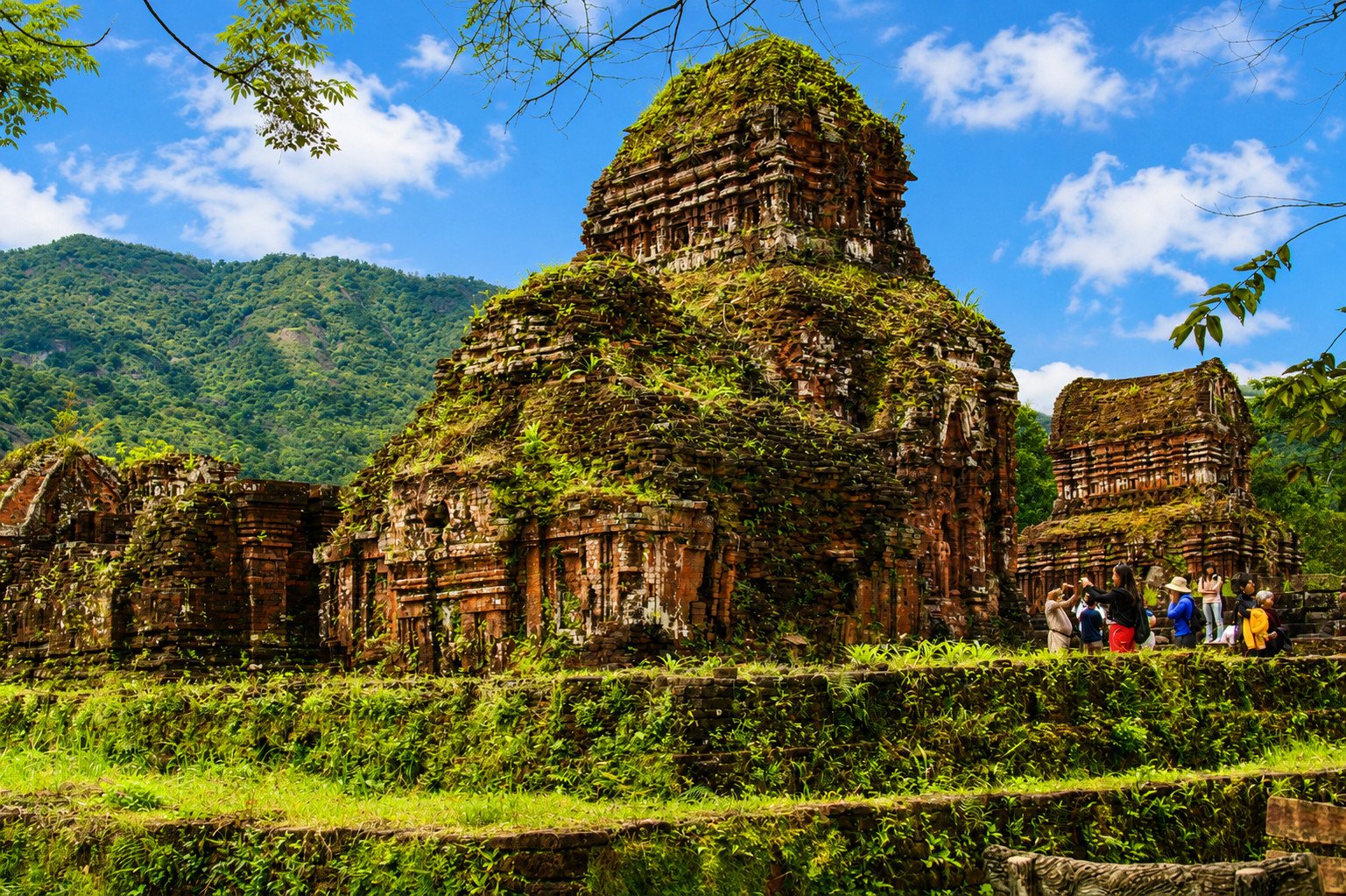
My Son is a Cham temple complex, first established in the late fourth century, with temples added and rebuilt over the following centuries. Hidden in a valley surrounded by mountains, it was once one of the most important religious centres of the Champa kingdom.
Sadly, what centuries of jungle and weather had failed to destroy, war very nearly did.
During the Vietnam (American) War the Viet Cong used the area and My Son was heavily bombed by American aircraft. A particularly destructive bombing raid in 1969 destroyed a number of the major temples, including what had been one of the site’s most important structures. Even today the damage is obvious, with bomb craters among the ruins and sections where entire buildings simply disappeared.
To reach the temples we followed a path through quiet forest, which made the history of the place seem even more incongruous. Birds called from the trees, everything was green and peaceful, and then through the vegetation appeared these ancient red-brick towers.
It wasn’t Angkor Wat and wasn’t trying to be. My Son was smaller, quieter and much less visited, which was probably part of its appeal.
We spent a lovely day wandering through the ruins before heading back to Hoi An.
Then, the day before we were due to leave, AP woke up decidedly unwell.
Dodgy pho, apparently.
He spent most of the day in bed, while I did what any caring partner would do under the circumstances and booked us into a very nice hotel in Saigon where we would be soon.
I chose the Caravelle, one of those grand old Asian hotels with a history stretching well beyond simply providing somewhere to sleep. It had opened in 1959 and during the Vietnam War became a gathering place for foreign correspondents, with international news organisations based there and journalists drinking in the rooftop bar while the war unfolded around the city.
I have always loved those old hotels you find scattered across Asia, places that have survived wars, revolutions, colonialism, independence and decades of political upheaval while continuing to serve drinks in the bar. They are usually a little more expensive than our normal accommodation, but every now and then they are worth the treat.
The Caravelle was also just across the square from the old Hôtel Continental, another of Saigon’s historic hotels and a favourite haunt of writers and journalists. Graham Greene stayed there while working on The Quiet American, his novel set against the final years of French colonial rule in Vietnam.
So while AP lay suffering the consequences of whatever he had eaten the previous evening, I became increasingly excited about spending our final couple of nights in Vietnam surrounded by all that history, with just a little bit of posh thrown in.
He recovered remarkably quickly.
By the following afternoon AP was back on his feet, our bags were packed and we climbed aboard the night bus to Nha Trang. From there we would change buses and head inland to Da Lat in the hills.
I had never travelled on a Vietnamese night bus before.
I had seen pictures of them, with their strange reclining beds arranged in rows, and I was actually rather excited about the whole thing.
It looked like an excellent idea.
Whether it would still seem like an excellent idea several hours later remained to be seen.