

Sapa Vietnam Travel Guide
Welcome to Sapa, the jewel of Vietnam’s northwest highlands. Famous for its awe-inspiring terraced rice fields, rolling misty mountains, and rich ethnic minority cultures, Sapa is one of the most beautiful and culturally rewarding destinations in the country.
Perched at over 1,500 meters above sea level, this former French hill station offers world-class trekking, breathtaking viewpoints, and authentic homestay experiences with Hmong, Red Dao, and other hill tribes. From the golden rice terraces of Muong Hoa Valley to the summit of Fansipan — Vietnam’s highest peak — Sapa delivers unforgettable mountain scenery and deep cultural immersion.
Best Vietnam Itineraries


Sapa Itineraries
Choose the perfect itinerary based on how much time you have
1 Day in Sapa
Quick VisitBest for: Short stops and mountain views.
- Sapa Town & Sapa Market
- Cat Cat Village trek (Black Hmong village)
- Ham Rong Mountain & viewpoints
- Silver Waterfall (Thac Bac)
- Evening in Sapa Lake area
Tip: Start early with Cat Cat Village to avoid crowds and enjoy the best light on the rice terraces.
3 Days in Sapa
RecommendedBest for: First-time visitors wanting rice terraces + culture.
- Full exploration of Sapa Town & Ham Rong Mountain
- Cat Cat & Ta Van Village trekking
- Muong Hoa Valley rice terraces & homestay experience
- Fansipan Mountain via cable car (highest peak in Indochina)
- Local Hmong & Red Dao handicraft markets
Tip: Stay in a village homestay in Ta Van or Lao Chai for an authentic and peaceful experience.
7 Days in Sapa
Deep DiveBest for: Slow travelers and trekking enthusiasts.
- Thorough discovery of Sapa’s ethnic villages & rice terraces
- Multi-day treks through Muong Hoa Valley & surrounding mountains
- Fansipan summit trek or cable car experience
- Visits to remote villages (Ta Phin, Y Linh Ho, Ban Ho)
- Local cooking classes, handicraft workshops & Sunday markets
Tip: Use Sapa as your base to explore the stunning highlands of northern Vietnam — the best time to visit is during the rice harvest (September–October) for golden terraces.
Transport
How to Get to & Around Sapa
Best ways to reach Sapa and explore the mountains, rice terraces & villages
By Train
Hanoi → Lao Cai: 8–9 hours overnight
Lao Cai → Sapa: 1 hour shuttle/taxi
Most scenic and popular option
By Bus
Hanoi → Sapa: 5–6 hours
Luxury sleeper & VIP buses daily
Direct from My Dinh or Giap Bat
Private Car / Van
Hanoi → Sapa: 5–6 hours
Most comfortable for groups
Door-to-door service
Local Transport
Motorbike rental (most popular)
Trekking with local guides
Taxi & electric cars in town
Top Things To See & Experiences In Vietnam

Top Attractions in Sapa
4 must-visit places that define this northern mountain gem
Cat Cat Village
Famous Hmong village just below Sapa town.
Must-See:
• Waterfall & traditional houses
• Hmong handicrafts & cultural shows
• Easy scenic walking trail
Fansipan Peak
Vietnam’s highest mountain (3,143m).
Must-See:
• Cable car or challenging trek
• Panoramic 360° views
• Roof of Indochina
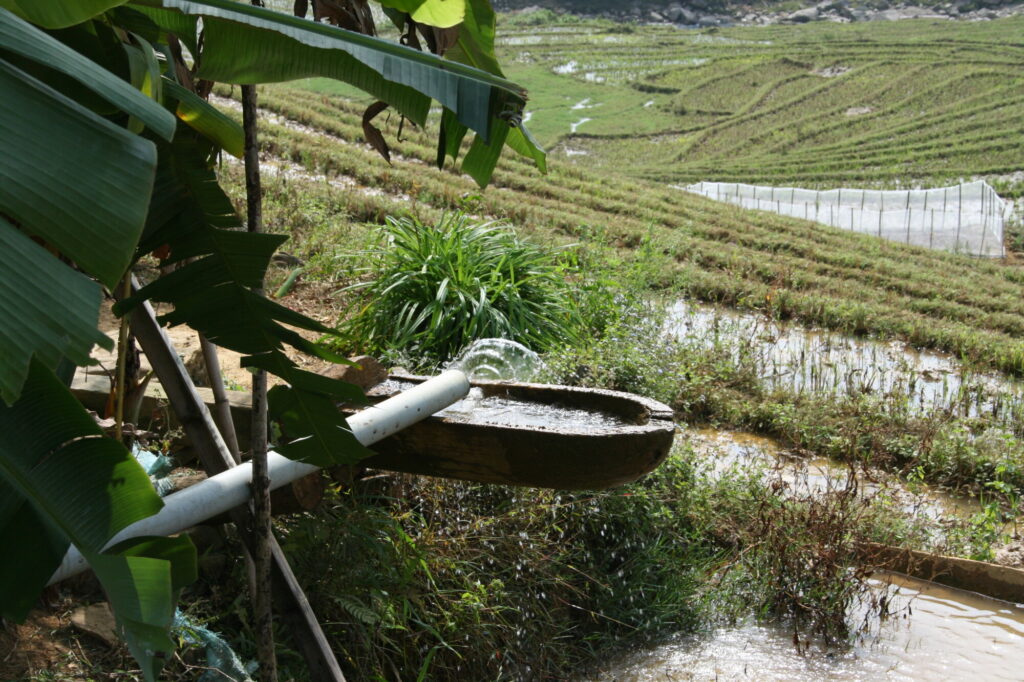
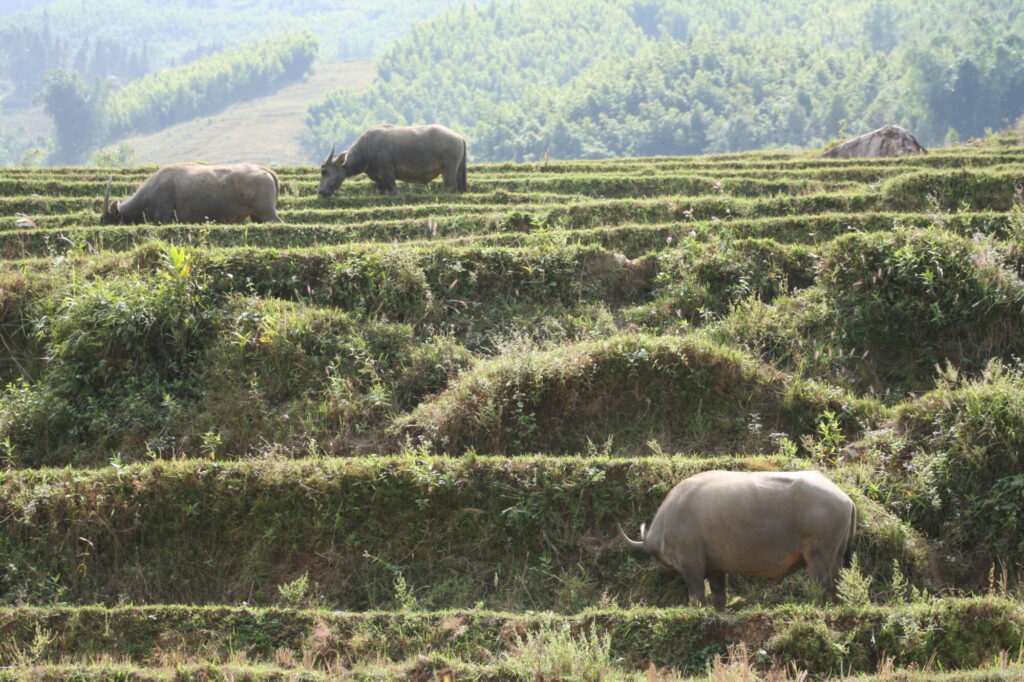
Muong Hoa Valley & Rice Terraces
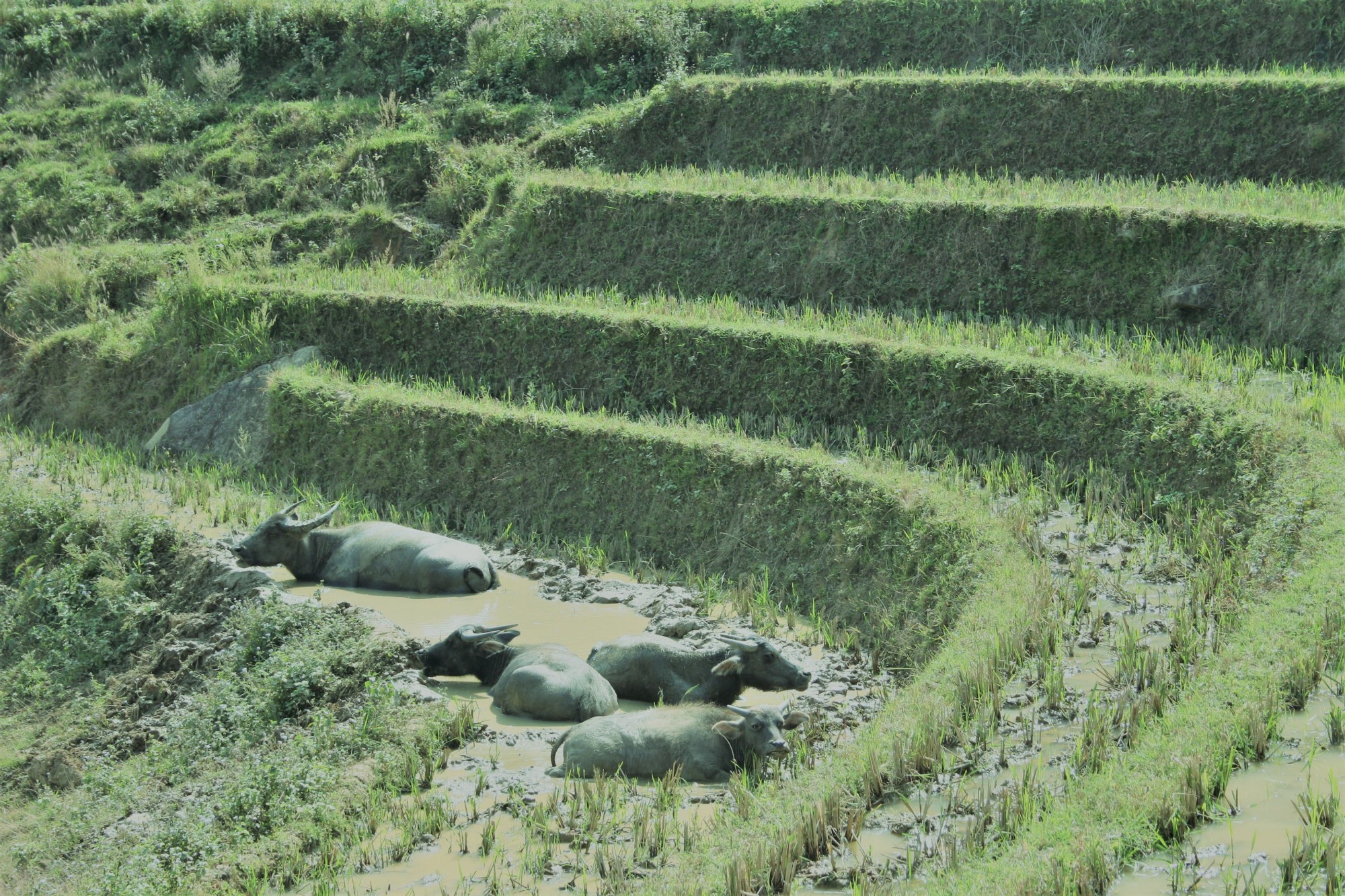
Iconic terraced rice fields of Sapa.
Must-See:
• Ta Van & Lao Chai villages
• Golden terraces in harvest season
• Homestay overnight experience
Bac Ha Market & Villages
Famous Sunday market of the Flower Hmong.
Must-See:
• Colorful ethnic costumes
• Local food & handicrafts
• Authentic highland culture